If you’ve ever walked around a busy construction site, you know how chaotic it can be. There’s dirt everywhere, piles of rebar half-buried in mud, concrete mixers rumbling past, and every piece of heavy equipment on the move at some point. As a shotcrete machine supplier, I’ve spent years on dozens of sites, watching contractors struggle with one specific task: moving a shotcrete machine from one spot to another without damaging it, delaying the work, or creating a safety hazard. Shotcrete machines aren’t just regular pieces of construction gear—they’re heavy, precise, and full of fragile hydraulic lines, hose connections, and pump parts that can break if you move them wrong. Over the years, I’ve learned that moving one isn’t just about hooking it to a crane or a skid steer; it’s about planning, checking every detail, and respecting both the machine and the site around you. Today, I want to walk you through exactly how we recommend doing it, based on what works on real job sites, not just a textbook. Shotcrete Machine
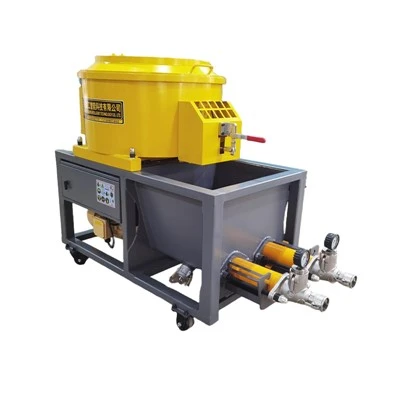
First, you have to know your machine inside and out. Not all shotcrete machines are the same, and that changes everything when it comes to moving. Last year, I was on a site in the Rocky Mountains where a contractor tried to move a compact, electric shotcrete model we sell for small tunnel work with a standard pickup truck. They hooked a tow bar to the frame, but they didn’t check the machine’s weight—1,800 pounds, more than twice what their pickup was rated to tow. Halfway across the site, the tow bar bent, the machine tipped sideways into a pile of loose gravel, and they had to call for a crane, which cost them an extra $2,000 and delayed their shotcrete pour by a full day. That’s the kind of mistake that costs more than just a few dollars. Before you even plan the move, pull up your machine’s spec sheet. Most shotcrete machines have two weight ratings: operating weight (with all the hoses and nozzles attached) and transport weight (with all accessories removed). You also need to know its dimensions—height, width, and length—because even if it fits on the trailer, you might have to navigate through narrow site paths, under low-hanging power lines, or between temporary structures like formwork. I always tell our customers to mark the machine’s widest point and tallest point with bright tape before they move it, so every person involved in the move knows exactly how much space they need.
Next, prepare the site and the equipment you’ll use to move the machine. A shotcrete machine isn’t like a bulldozer that can drive itself around—most smaller models are towed, and larger track-mounted ones need a crane or a specialized rig to move. First, walk the path from the machine’s current spot to the new location. Look for soft ground that can’t support a trailer’s tires or a crane’s outriggers. If it rained the night before like it often does on many job sites, a muddy path can cause a trailer to sink, or a crane to tip. We once had a customer move a 6,000-pound track-mounted shotcrete machine across a path that looked solid, only to hit a hidden ditch under the dirt. The trailer jackknifed, and the machine’s pump housing cracked, which cost $10,000 to repair. Always test the ground by stepping on it or driving a small construction vehicle over it first. If it’s soft, lay down steel plates or thick plywood to distribute the weight. Then, clear the path of any debris—rebar, loose rocks, leftover concrete blocks—that could puncture a tire, get caught in the machine’s tracks, or scratch the machine’s body.
Now, pick the right moving equipment. For smaller, electric shotcrete machines (under 3,000 pounds), a heavy-duty flatbed trailer with a brake system is non-negotiable. A regular utility trailer won’t have the stability for a load that heavy, and without brakes, if you hit a pothole, the machine can slide forward and crush the trailer’s cab. For larger, diesel-powered shotcrete machines (over 5,000 pounds), you’ll need a lowboy trailer, which has a lower deck to make it easier to load and reduces the chance of hitting power lines. If the machine is track-mounted, you can use a skid steer with a fork attachment to lift it, but only if the skid steer has a lift capacity that’s at least 20% higher than the machine’s transport weight. Never try to lift a shotcrete machine with a regular forklift—most forklifts have narrow forks that can’t support the machine’s evenly distributed weight, and you can damage the machine’s frame. For even larger units used for high-rise construction or tunnel projects, a mobile crane is necessary, but you have to plan the crane’s position too—its outriggers need a solid, level surface, so you can’t set them up on a slope or soft dirt.
Loading and securing the machine is the most critical part of the move, and the part I see contractors mess up most often. First, always disconnect all accessories before loading: the shotcrete hose, nozzle, mixer, and any extra parts. Even a 50-pound nozzle swinging around during transport can knock a hole in the machine’s side or come loose and hit a worker. Disconnect the hydraulic lines too, and cap the ends to keep dirt, dust, or water from getting inside—shotcrete machines run on clean hydraulic fluid, and even a small amount of dirt can clog the system or damage the pump. When loading a towed machine, never drive it up the trailer’s ramp too fast; that can make it tip forward. Take it slow, have a spotter stand at the back of the trailer to guide it, and make sure it’s centered on the deck before you secure it. For track-mounted machines, use the skid steer to lift it evenly on both sides, so it doesn’t tilt during loading. Once it’s on the trailer, use heavy-duty ratchet straps rated for at least twice the machine’s weight to secure it. I use four straps: two on the front frame, two on the rear frame, never on the machine’s body or tracks, which can bend or crack under the pressure. Also, put wheel chocks on both sides of the machine’s wheels, or block the tracks so they can’t roll during transport. Last year, a customer didn’t use enough straps, and their shotcrete machine slid 6 feet on the trailer during a rough ride over a job site’s dirt road, damaging the control panel. It was a $3,000 repair that could have been avoided with proper securing.
Now, move the machine safely. If you’re towing it with a truck, make sure the truck’s hitch is rated for the trailer’s total weight (machine plus trailer plus any other gear). Don’t go too fast—job site roads are uneven, full of potholes, and you might have workers walking near the path. We always recommend going no more than 10 miles per hour on the site, even on the main access roads. Have two people on the move: one driving the tow vehicle or crane, and one spotter who walks ahead, clears the path, and alerts the driver to any hazards like low-hanging branches, power lines, or a group of workers moving materials. For crane moves, never lift the machine more than a foot or two off the ground before moving it—this is the test to make sure the load is balanced, and you can adjust the straps if it’s tilting. Also, never swing the crane arm over workers, even if they’re not directly under the machine—wind can cause the load to shift, which is a serious safety hazard. When moving the machine through a construction building or tunnel, watch for temporary supports, air ducts, or rebar sticking out that could hit the machine’s sides. I once had a customer move a shotcrete machine into a tunnel and scratch the entire hydraulic pump housing because they didn’t notice a steel support beam 8 feet high on the path—they thought the machine was only 7 feet tall, but they forgot to include the nozzle they left on top, which added 6 inches. Always double-check your height and width measurements, and add at least a foot of clearance on all sides when moving through tight spaces.
Once you get the machine to the new location, don’t just unload it and start working right away. That’s another mistake I see all the time. First, position it where you need it, but leave enough space around it for maintenance—you need to access the control panel, the hydraulic filter, and the hose connections. Then, before you remove the straps or chocks, do a quick inspection. Check all the straps for any damage, the wheels or tracks for any dents, and the hydraulic lines for any leaks. When you unload the machine, go slow just like when loading it. For towed machines, back the trailer down the ramp carefully, with a spotter guiding you, and make sure the machine is level before you disconnect the trailer. For track-mounted machines, set it down gently on the ground, then move it 2 or 3 feet forward and back to make sure the tracks are sitting evenly. Finally, reconnect all the accessories, refill the hydraulic fluid and concrete mix, and test the machine for 10 to 15 minutes before starting the pour. We always tell our customers to do a test run with water first, before they use real concrete, to make sure all the lines are working and there are no leaks from moving the machine.
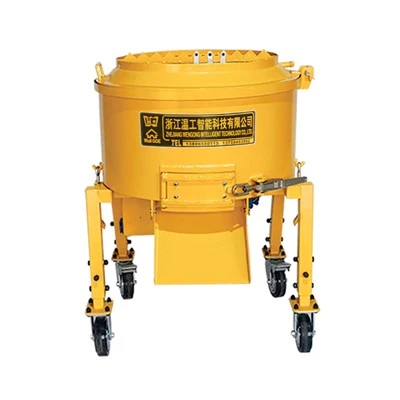
As a shotcrete machine supplier, I know that moving a shotcrete machine is a part of every job, no matter how big or small. The goal isn’t just to get it from point A to point B—it’s to do it without damaging the machine, without delaying the project, and without putting anyone at risk. The mistakes I’ve seen over the years all boil down to one thing: not planning ahead. Taking 30 minutes to check your machine’s specs, walk the path, get the right equipment, and secure it properly is way better than spending thousands of dollars on repairs or dealing with a delayed pour. Every construction site is different, but following these steps will work on almost any job. If you’re planning to move a shotcrete machine on your next project and need more guidance, or if you’re looking for a new shotcrete machine that’s designed to be easy to move and reliable, reach out to our team to discuss your needs. We’ve worked with contractors on small residential projects and large highway projects, and we can help you find the right solution for your site.
Gulley Grab References:
- Construction Safety Association of Ontario. (2021). Guidelines for Moving Heavy Construction Equipment on Active Job Sites. Toronto, ON: Government of Ontario.
- American Concrete Institute. (2019). Practice for Shotcrete Equipment Operation and Maintenance. Farmington Hills, MI: American Concrete Institute.
- National Association of Heavy Equipment Training Schools. (2022). Best Practices for Transporting Compact Construction Machinery. Des Moines, IA: National Association of Heavy Equipment Training Schools.
- Occupational Safety and Health Administration. (2020). Standard for Rigging and Moving Heavy Equipment (29 CFR 1926.550). Washington, DC: U.S. Department of Labor.
- Shotcrete Machine Manufacturing Association. (2023). Operator’s Manual for Medium-Duty Towable Shotcrete Pumps. Chicago, IL: Shotcrete Machine Manufacturing Association.
Zhejiang Wengong Intelligent Technology Co., Ltd.
Zhejiang Wengong Intelligent Technology Co., Ltd. is one of the most professional shotcrete machine manufacturers and suppliers in China. With abundant experience, we warmly welcome you to buy durable shotcrete machine made in China here and get quotation from our factory. Quality products and reasonable price are available.
Address: No.111 Huakang Road, Liuao Village, Qiaoxia Town, Yongjia County, Wenzhou City, Zhejiang Province, China
E-mail: sales007@cngcjx.com
WebSite: https://www.wallgoe.com/
