If you’ve ever been stuck in a quiet office on a rainy afternoon, pressing the elevator button three times just to confirm it’s actually coming, you know how much we rely on these machines—even when we don’t think about them. As someone who’s spent the last 12 years running a small but steady general elevator parts supplier, I’ve learned that the smooth operation of an elevator doesn’t happen by accident. It’s not about a single “magic part” that keeps everything moving; it’s about every component working in lockstep, and knowing how to care for each one before it becomes a problem. Over the years, I’ve worked with building managers, maintenance techs, and even elevator manufacturers to figure out what actually keeps these systems running, and I’m sharing what I’ve learned here. General Elevator Parts

First, let’s get one thing straight: elevator parts don’t last forever, but their lifespan depends almost entirely on how they’re treated. I see this all the time. Last year, a property manager in downtown Portland reached out to me because their 20-year-old passenger elevators were jolting mid-rise. They’d skipped annual checks for three years, and when they finally called in a tech, they found the guide shoes—small, hard-metal parts that keep the elevator car from swaying against the rails—were worn down to nubs. Replacing those should have been a simple, routine task, but because the wear had gotten so bad, it also damaged the steel rails they slide along, adding thousands in unexpected costs. That’s the first rule of smooth operation: prevention beats reaction, and it starts with every part, not just the big, obvious ones like the motor or control panel.
Let’s break down the core general elevator parts and how to keep them running, because ignoring even a tiny part can throw the whole system off. The guide shoes and rails I just mentioned are a great place to start. Guide shoes are made of a durable material, usually cast iron or a composite designed to resist friction, and their job is to keep the elevator car aligned as it moves up and down. Over time, friction from constant movement wears down the shoe’s surface, and debris like dirt, dust, and even small metal shavings from the rails can accelerate that wear. The fix here is simple: schedule monthly visual checks where a tech wipes down the rails and inspects guide shoe thickness. Most manufacturers recommend replacing guide shoes when they’re worn to 60% of their original thickness—wait beyond that, and you risk rail damage, which means more than just a part swap.
Next, the traction machine, which is the heart of the elevator. This is the motor-driven component that pulls the steel cables holding the car and counterweight. Without a working traction machine, you don’t have an elevator at all. I’ve seen traction machines fail because of two common mistakes: poor lubrication and overloading. The machine’s bearings need regular, high-quality lubrication—cheap, generic grease can break down quickly under the heavy load of an elevator, leading to friction and overheating. Last quarter, a maintenance team in Seattle used standard automotive grease on a machine that required synthetic, elevator-specific lubricant. Within six months, the bearings seized, and the whole machine had to be replaced. It’s not just about lubrication, either. The traction machine also has a sheave—a grooved wheel that the cables wrap around. If the sheave’s grooves wear unevenly, the cables can slip, causing jerky movement or even the car stopping unexpectedly. Inspecting the sheave for wear every six months, and resurfacing or replacing it when the groove depth drops below manufacturer specs, goes a long way here.
Then there are the elevator cables, often called hoist ropes. These are the steel cables that connect the car to the counterweight, and they have to support thousands of pounds daily, weather changes, and constant movement. Cables don’t just snap out of nowhere—they wear gradually. Common issues include fraying of the outer steel strands, corrosion from moisture, and uneven tension between multiple cables (most elevators use four or six ropes). How do you prevent problems here? First, regular tension tests. If one cable is tighter than the others, it’s carrying more load than it should, leading to faster wear. Our team at General Elevator Parts often recommends that clients use a simple tension meter (they’re available from most parts suppliers) to check every six months. Also, keep cables clean and dry—moisture can cause internal corrosion, which isn’t visible from the outside until it’s too late. If you spot small frays on the outer layer, replace the cables before they snap; waiting even a few months can lead to catastrophic failure.
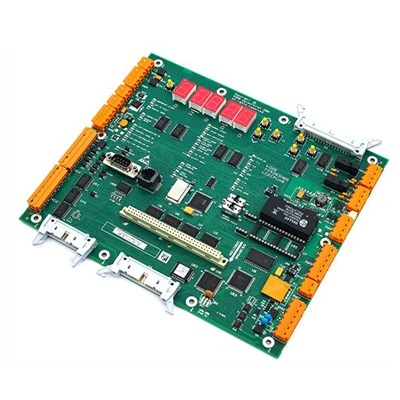
Don’t forget the control system parts, either—this is the “brain” of the elevator, and it’s often overlooked until something goes wrong. The control panel, door operators, and safety switches work together to make the elevator respond to button presses, open and close doors safely, and stop if something is out of line. For example, door operators are the parts that power the sliding doors; if they’re misaligned or have worn belts, the doors can get stuck, or close too quickly. Last year, a hospital client called me because their patient elevators were delaying discharge times—turns out, the door operator belts had stretched, so the doors took 10 seconds longer to open and close each time. Replacing those belts (a standard general elevator part) fixed the issue immediately. Safety switches, like the limit switches that stop the elevator at the top and bottom of the shaft, are another key part. These switches prevent the car from overshooting the floor, and if they’re not calibrated or tested regularly, they can fail. We supply a lot of these switches, and every time we tell clients they need to test them quarterly, they say it’s overkill—until a switch fails and causes the elevator to hit the top of the shaft, leading to expensive repairs and downtime.
Now, even if you inspect every part regularly, there’s one more thing that’s often missed: compatibility of the parts you use. This is where my experience as a general elevator parts supplier comes in. I’ve had clients come to me saying they saved money by buying cheap, universal guide shoes for their old elevators, only to find they don’t fit properly. Universal parts might seem like a good deal, but elevators are custom in many ways—different manufacturers, different models, different age ranges, even different installation methods for parts. For example, a guide shoe designed for a 1990s Otis elevator won’t fit a 2005 Kone elevator, even if they’re both passenger models. Using the wrong part leads to faster wear, misalignment, and more breakdowns. That’s why at General Elevator Parts, we don’t just sell parts—we help clients match the right part to their specific elevator, even for older models that might not have easy-to-find replacement parts. Last year, we had a client with a 1987 elevator that no other supplier could source guide shoes for; we reverse-engineered the part using their old specs and delivered a perfect fit, which saved them from having to replace the entire elevator.
Another critical point: regular maintenance isn’t just about checking parts—it’s about tracking their performance. I keep a log for every client’s elevator when we supply parts, noting when parts were replaced, what condition they were in, and when the next inspection should be. This helps spot patterns. For example, if a certain type of guide shoe is wearing out six months faster than it should, that might mean a misaligned rail, not a bad part. If a traction machine is overheating every summer, that might be because the machine room is too hot, so adding a small fan can fix the issue without replacing the machine. Tracking performance also helps with budgeting—instead of unexpected, expensive repairs, you can plan for part replacements months in advance.
Wait, let’s talk about environmental factors, too. Elevators in areas with high humidity (like coastal cities) have more corrosion issues than those in dry, inland areas. Elevators in high-traffic buildings (office towers, hospitals, shopping malls) wear parts faster than those in small apartment buildings. We supply corrosion-resistant cables for our clients in Miami and Tampa, and extra-durable guide shoes for the busy elevators in downtown Dallas. Adjusting your maintenance schedule based on where your elevator is and how often it’s used is a key part of keeping it smooth. A high-traffic elevator might need monthly inspections instead of quarterly, and parts made for harsh environments will last longer than standard ones.
I know a lot of building managers and maintenance techs are stretched thin—they have dozens of tasks to do, and elevator checks might fall to the bottom of the list. But from what I’ve seen, spending 30 minutes a month on basic checks (wiping rails, checking cable tension, inspecting door belts) is way better than dealing with a 3-day elevator shutdown that inconveniences hundreds of people and costs thousands in lost revenue. I’ve had clients tell me they thought elevator maintenance was a waste of money until they skipped a check and had an elevator out of service for a week. At that point, the cost of the inspection and parts is minimal compared to the downtime.
Let’s wrap this up with a few actionable takeaways, because that’s what everyone wants. First, prioritize regular inspections of core parts: guide shoes, rails, traction machines, cables, control systems, and safety switches. Second, use elevator-specific, compatible parts when replacements are needed—cheap, universal parts will end up costing you more in the long run. Third, track part performance and adjust maintenance based on your elevator’s environment and traffic. Fourth, don’t ignore small issues: a slight jolt, a door that closes a second too slow, a cable that looks a little frayed—these are all warning signs, not just minor annoyances.
If you’re responsible for a building with elevators and want to make sure your parts are compatible, your maintenance is on track, and your elevators run smoothly, we’re here to help. As a general elevator parts supplier with decades of experience, we can help you source the right parts for any model, old or new, and work with you to create a maintenance schedule tailored to your specific elevators. Whether you need a single guide shoe, a full set of hoist ropes, or help troubleshooting a persistent issue, we’re ready to chat. Reach out to us to start a conversation about keeping your elevators running reliably, so you don’t have to deal with unexpected breakdowns or costly repairs.
Elevator Parts for KONE References
ASME A17.1 Safety Standard for Elevators and Escalators, 2022 Edition
Elevator Industry Maintenance Best Practices, National Elevator Industry Inc., 2021
Lift Components: Selection, Installation, and Maintenance, International Association of Elevator Contractors, 2020
Shaanxi Nona Elevator Parts Co., Ltd.
As one of the leading general elevator parts manufacturers and suppliers in China, we warmly welcome you to wholesale bulk general elevator parts in stock here from our factory. All elevator parts are with high quality and competitive price. For pricelist, contact us now.
Address: No.1502 Ronghao Building, Xi’an City, Shaanxi Province, China
E-mail: candice@nonaelevator.com
WebSite: https://www.nonaelevatorparts.com/
