Hey there! As a supplier of first aid kits, I know how important it is to keep these life – saving essentials in good condition. One major threat to the effectiveness of a first aid kit is water damage. Moisture can render bandages useless, make medications break down, and rust metal tools. So, let’s talk about how to make a first aid kit waterproof. First Aid Kits
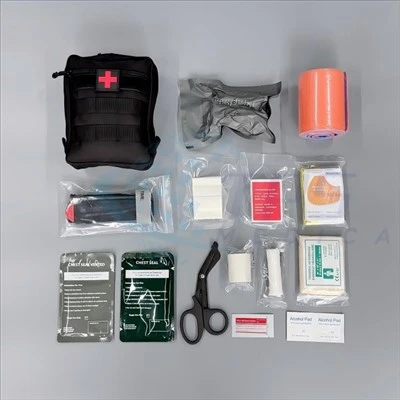
Understanding the Risks
First off, we gotta understand why water is such a big deal. Medical supplies are usually designed to be dry. If bandages get wet, they lose their stickiness and can’t do their job of covering wounds properly. Medications can clump together or have their chemical makeup changed when exposed to moisture. And if there are any metal instruments like scissors or tweezers, rust is just around the corner.
Imagine you’re out on a camping trip. You’ve got a nice little cut on your finger, and you reach for the first aid kit. But when you open it, you find that the bandages are all stuck together, and the antibiotic ointment has turned into a gooey mess because water got in. That’s a pretty frustrating situation, right?
Choosing the Right Container
The first step in waterproofing your first aid kit is choosing the right container. You don’t want a flimsy plastic bag that might tear easily. A good option is a hard – plastic, airtight container. Look for ones with a rubber seal on the lid. This kind of container creates a strong barrier against water.
I’ve seen some people use old lunch boxes, and while they might work in a pinch, they’re often not truly waterproof. You’re better off investing in a proper storage container specifically designed for outdoor or wet conditions. There are many brands out there that make these containers in different sizes, so you can find one that fits all your first aid supplies comfortably.
Another option is a metal box with a tight – fitting lid. Metal is sturdy and can withstand a lot of wear and tear. Just make sure it’s painted or coated to prevent rust from forming on the inside.
Using Waterproof Liners
If you have an existing container that you really like but it’s not completely waterproof, you can add a waterproof liner. You can buy special waterproof liners made for storage containers at outdoor supply stores. These liners are usually made of a thick, plastic – like material that can keep water out.
You can also get creative and use a large, heavy – duty plastic bag as a liner. Just make sure it’s big enough to line the entire inside of the container and then fold over the edges to create a seal. This is a cheap and easy solution, but it might not be as durable as a purpose – made liner.
Sealing the Contents
Once you’ve got your container sorted, it’s time to think about the contents of the first aid kit. Some supplies are more vulnerable to water damage than others.
For bandages and gauze, you can put them in small, resealable plastic bags. This gives them an extra layer of protection. You can also label these bags with the type of bandage or gauze inside, so it’s easy to find what you need.
Medications are another critical item. Keep them in their original, sealed containers. If you have any loose pills or tablets, transfer them to small, waterproof pill organizers. These organizers have tight – fitting lids and can keep moisture away from your medicines.
For metal instruments like scissors and tweezers, you can apply a thin layer of petroleum jelly. This helps prevent rust from forming. Just wipe off the jelly before using the tools.
Desiccants to the Rescue
Desiccants are those little packets you often find in new shoes or electronics. They’re designed to absorb moisture. You can add a few desiccant packets to your first aid kit. These packets will help keep the air inside the container dry.
There are different types of desiccants. Silica gel is a common one. You can buy silica gel packets online or at some hardware stores. Just make sure to replace them every few months, as they lose their ability to absorb moisture over time.
Testing Your Waterproof First Aid Kit
Once you’ve put all your supplies in the container and taken all the waterproofing steps, it’s a good idea to test it. You don’t want to find out the hard way that it’s not actually waterproof.
One simple test is to fill a sink or bucket with water. Seal up your first aid kit and submerge it for a few minutes. Then, take it out and open it up. Check to see if any water has gotten inside. If there’s no water, great! Your kit is waterproof. If there is water, you need to figure out where it got in and make some adjustments.
Keeping the Kit in Good Condition
Even if you’ve done everything right to make your first aid kit waterproof, you still need to take care of it. Don’t leave it in direct sunlight for too long, as this can cause the plastic container to break down and reduce its waterproofing capabilities.
Also, make sure to check the contents of the kit regularly. Replace any supplies that have expired or been damaged. Keep the desiccant packets fresh, and check the seals on your containers to make sure they’re still tight.
Customizing Your Waterproof First Aid Kit
Depending on your needs, you can customize your first aid kit. If you’re an outdoor enthusiast, you might want to add supplies like snake bite kits, tick removal tools, and burn creams. If you’re traveling abroad, you could include medications for common travel – related illnesses like diarrhea and motion sickness.
And don’t forget to include a first aid manual. It’s a really handy thing to have, especially in an emergency when you might not be thinking clearly. You can find first – aid manuals online or at most drugstores.
Why a Waterproof First Aid Kit Matters for You
As a first aid kits supplier, I’ve heard countless stories from customers about how a well – maintained, waterproof first aid kit has saved the day. Whether it’s a small accident at the beach or a more serious injury on a hiking trip, having a reliable first aid kit can make all the difference.
You don’t have to be an adventurer to need a waterproof first aid kit. It could be useful in your car, especially if you live in an area prone to flooding or heavy rain. Or if you have a boat, a waterproof first aid kit is an absolute must.
Reach Out to Us

If you’re looking for high – quality first aid kits that are easy to waterproof, we’re here to help. We offer a wide range of first aid kits, from small, portable ones to large, comprehensive family kits. We can also give you advice on how to make your kit even more waterproof.
Tactical First Aid If you’re interested in learning more or are thinking about purchasing our first aid kits for your personal use, business, or organization, feel free to get in touch. Just send us a message and let’s start a conversation. We’re eager to work with you to ensure you have the best first aid solutions to keep you and your loved ones safe.
References
- American Red Cross: First Aid Training Materials
- Wilderness Medical Society Publications
- Various Outdoor Supply Catalogs
Hangzhou Tuopusi Medical Products Co., Ltd.
As one of the most professional first aid kits manufacturers and suppliers in China, we offer a wide range of products with superior quality. Please feel free to wholesale bulk customized first aid kits at competitive price from our factory. Also, free sample is available.
Address:
E-mail: sales@tpsmedic.com
WebSite: https://www.medressing.com/
