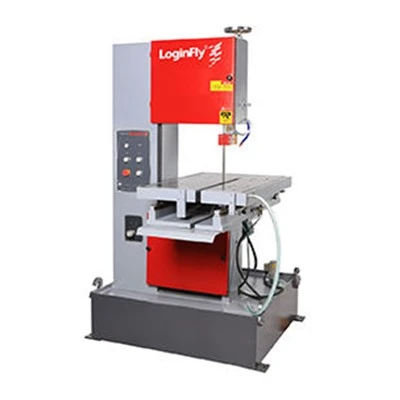
Hey there! I’m a supplier of metal cutting band saws, and I get a lot of questions from customers about how to operate these machines properly, especially when it comes to avoiding over-heating. Over-heating can not only damage the saw blade but also affect the overall performance of the saw and even lead to safety issues. So, in this blog, I’m gonna share some tips on how to operate a metal cutting band saw to keep it from over-heating. Metal Cutting Band Saw
Understanding the Causes of Over – heating
First things first, let’s talk about why a metal cutting band saw might over-heat. There are a few common reasons.
One big reason is incorrect cutting speed. If you’re cutting too fast, the saw blade has to work harder, which generates more friction and heat. On the other hand, cutting too slow can also cause problems. The blade might rub against the metal for too long, also building up heat.
Another cause is improper blade tension. If the blade is too loose, it can wobble during cutting, leading to uneven cutting and extra heat generation. A blade that’s too tight can put excessive stress on the saw components and the blade itself, which can also result in over-heating.
Coolant issues are also a factor. Coolant helps to reduce friction and dissipate heat during the cutting process. If you’re not using enough coolant, or if the coolant is old and dirty, it won’t be able to do its job effectively, and the saw will start to heat up.
Dull blades are a major culprit too. A dull blade has to apply more force to cut through the metal. This extra force means more friction and heat. And if you keep using a dull blade, it’ll just get worse and worse.
Tips for Avoiding Over – heating
1. Set the Right Cutting Speed
The right cutting speed depends on the type of metal you’re cutting and the thickness of the material. Different metals have different hardness levels, so they require different cutting speeds. For example, softer metals like aluminum can usually be cut at a faster speed compared to harder metals like stainless steel.
Most modern metal cutting band saws come with a speed adjustment feature. You can refer to the saw’s manual or use online resources to find the recommended cutting speed for the specific metal and thickness you’re working with. Make sure to set the speed correctly before you start cutting. It might take a little bit of trial and error at first, but once you get the hang of it, you’ll be able to cut more efficiently and avoid over-heating.
2. Adjust the Blade Tension
Proper blade tension is crucial for smooth and efficient cutting. You can check the blade tension by pushing down on the middle of the blade with your finger. The blade should have a slight give, but it shouldn’t be too loose or too tight.
If the blade is too loose, you’ll need to tighten it. Most saws have a tension adjustment knob or mechanism. Use it to increase the tension until the blade is at the right level. If you’re not sure what the right tension is, again, refer to the saw’s manual. It’ll usually have some guidelines on how to adjust the blade tension based on the blade size and the type of saw.
On the other hand, if the blade is too tight, loosen the tension a bit. Over-tightening the blade can cause it to break or damage the saw’s bearings and other components, which can also lead to over-heating.
3. Use the Right Coolant
Coolant plays a vital role in keeping the saw and the blade cool during cutting. It reduces friction between the blade and the metal, which in turn reduces heat generation.
There are different types of coolants available, and you need to choose the one that’s suitable for the type of metal you’re cutting. For example, some coolants are better for cutting ferrous metals, while others are designed for non-ferrous metals.
Make sure to use enough coolant. The coolant should be flowing continuously over the cutting area. You can adjust the flow rate of the coolant according to the cutting conditions. If you’re cutting thick or hard materials, you might need to increase the coolant flow.
Also, keep an eye on the coolant level and its quality. Over time, the coolant can become dirty and lose its effectiveness. Replace the coolant regularly, and clean the coolant tank to prevent any debris from clogging the coolant system.
4. Keep the Blade Sharp
A sharp blade is essential for efficient cutting and preventing over-heating. You can tell if a blade is dull if it’s not cutting smoothly, if it’s leaving rough edges on the metal, or if it’s taking longer than usual to cut through the material.
To keep the blade sharp, you can use a blade sharpener. There are different types of sharpeners available, from handheld ones to more advanced machine-mounted sharpeners. Make sure to follow the manufacturer’s instructions when using a sharpener.
Another option is to replace the blade when it gets too dull. It’s a good idea to have a few spare blades on hand so that you can quickly swap them out when needed.
5. Take Breaks
If you’re doing a long cutting job, it’s important to take breaks. Continuous cutting can cause the saw to over-heat, especially if you’re cutting thick or hard materials.
Take a 10 – 15 minute break every hour or so. This gives the saw and the blade a chance to cool down. During the break, you can also check the blade tension, the coolant level, and the overall condition of the saw.
Maintenance and Inspection
Regular maintenance and inspection of your metal cutting band saw are also important to prevent over-heating.
Clean the saw regularly to remove any metal chips, debris, or coolant residue. Metal chips and debris can accumulate in the saw’s components and affect its performance. You can use a brush or compressed air to clean the saw.
Inspect the saw’s components, such as the bearings, belts, and pulleys, for any signs of wear or damage. Worn or damaged components can cause extra friction and heat. Replace any components that are in bad condition.
Check the electrical connections of the saw to make sure they’re secure. Loose electrical connections can cause the saw to over-heat.
Importance of Training
Training is also a key factor in avoiding over – heating. If your operators are well-trained, they’ll know how to set the right cutting speed, adjust the blade tension, use the coolant properly, and perform regular maintenance.
Provide your operators with comprehensive training on how to operate the metal cutting band saw safely and efficiently. You can also encourage them to share their experiences and ask questions. This way, they’ll be more confident in their abilities and can help to prevent over-heating and other issues.
In Conclusion

Operating a metal cutting band saw to avoid over-heating is all about understanding the causes of over-heating and taking the right steps to prevent it. By setting the right cutting speed, adjusting the blade tension, using the right coolant, keeping the blade sharp, taking breaks, and performing regular maintenance, you can keep your saw running smoothly and extend its lifespan.
Circular Saw Machine If you’re in the market for a high – quality metal cutting band saw or have any questions about operating and maintaining them, don’t hesitate to reach out. We’re here to help you find the best solution for your cutting needs. Let’s start a conversation about how we can work together to make your metal cutting operations more efficient and successful.
References
- Various metal cutting band saw user manuals
- Industry – specific technical guides on metal cutting processes
Shanghai Loginfly Sawing Technology Co., Ltd.
As one of the most professional metal cutting band saw manufacturers and suppliers in China, our products have good reputation in the market. We warmly welcome you to wholesale premium metal cutting band saw from our factory. If you have any enquiry about cooperation, please feel free to email us.
Address: Room 506 NO.655 Yinxiang Road,Nanxiangtown,Jiading District, Shanghai.China
E-mail: sales01@loginfly.com
WebSite: https://www.loginflysaws.com/
