As a door skin supplier, I get asked one question more often than any other: “Do door skins come with trim?” It’s a fair question, especially if you’re a renovator, general contractor, or even a homeowner tackling a DIY interior door update. For years, I’ve seen people confuse these two products—door skins and trim—either expecting one to include the other, or assuming they’re interchangeable. Today, I’m breaking down the difference, why the answer isn’t as simple as yes or no, and what you actually need to know when ordering door skins for your next project. Door Skin
First, let’s define exactly what each product is, because that’s where the confusion starts. A door skin is the thin, outer layer of a door that wraps around the door’s core (wood, foam, or steel) to create the finished surface of the door itself. They come in standard sizes (most are 1 3/8 inches thick for interior doors, 1 3/4 inches for exterior) and are made from materials like wood veneer, steel, aluminum, or fiberglass. Door skins are designed to replace a damaged, scratched, or outdated door’s outer layer—so instead of tearing out a whole door, you can just swap the skin. That saves time, cuts costs, and is a common choice for both residential and commercial renovations.
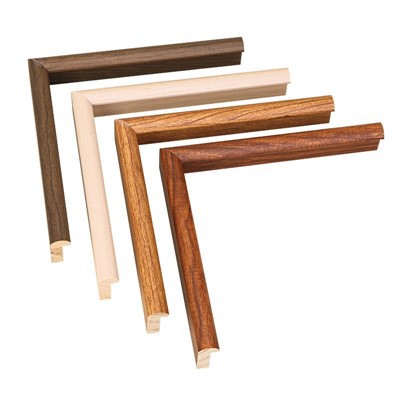
Trim, on the other hand, is the decorative or functional molding that frames the door’s opening and hides the gaps between the door and the wall. There’s casing trim (the moulding around the interior of the door opening), stop moulding (the strip that the door closes against, usually along the jamb), and baseboard or side trim that runs along the bottom or sides of the door. Trim isn’t part of the door itself—it’s part of the surrounding wall and opening.
Now, the short answer: no, standard door skins do not come with trim. But wait—before you write that off, let’s clarify the “standard” part. Some specialty or custom door skin orders can include optional trim, but that’s a special add-on, not a default. Let me explain why.
Door skins are manufactured to fit the exact dimensions of a door slab. For example, a 3-foot x 7-foot interior door skin is sized to cover a 36-inch wide, 84-inch tall door. Trim is made to fit the wall’s rough opening, which is usually 2 inches wider and 2 inches taller than the door slab itself (to allow for gaps and adjustment during installation). Trying to combine these two in a standard product would lead to mismatched sizes, extra waste, and higher costs for customers who don’t need trim.
Let’s talk about the practical side. When a customer orders door skins for a project, they almost always already have trim, or are planning to source it separately. If you’re a contractor working on 10 interior doors, you’re not going to order 10 sets of trim—you’ll buy trim in bulk for all openings, matching the style of the existing doors or the home’s architecture. Door skins are a door-specific product, so adding trim would add unnecessary bulk to the order, increase shipping weight, and raise prices for everyone.
But here’s a point I wish more people knew: some door skin suppliers do offer trim as an optional add-on for custom orders. For example, if a customer is replacing a single door in a historic home, and the original trim is no longer available, we can mill matching stop moulding and casing trim at the same time as the custom door skin. That’s a custom service, not a standard offering, and it’s designed for unique projects where matching the original look is critical.
I’ve seen the mix-up play out so many times. Last year, a homeowner reached out to me after ordering a set of steel door skins for their front door. They were upset because the skins didn’t come with the weatherstripping trim that ran along the door’s edge. Wait a second—weatherstripping is a different component entirely, part of the door’s seal, not the outer door skin or the surrounding wall trim. I had to walk them through that: the door skin is the metal outer layer, the weatherstripping is a strip that attaches to the door’s edge to keep drafts out, and the casing trim is the moulding on the wall around the door opening. Three separate products, all easy to mix up if you’re not familiar with door components.
Another common mix-up: people think “prehung doors” come with trim, so they assume door skins do too. Prehung doors are a complete unit—door slab, hinges, jamb, and usually a set of casing trim. Door skins are not prehung doors; they’re just the outer layer of the door slab. They’re designed to be installed onto an existing core, or onto a new jamb if you’re building a new door. So that prehung door’s included trim is a feature of that complete unit, not something you get with a standalone door skin.
So what do you do if you need both a door skin and trim? Here’s my step-by-step advice, based on 12 years in the door skin business:
First, confirm the type of door skin you need. Is it for an interior door (wood veneer, MDF, or hollow core) or an exterior door (steel, aluminum, fiberglass)? Measure the existing door slab’s dimensions (width, height, thickness) to make sure you get a skin that fits. Custom sizes are available, but standard sizes are the most affordable and easiest to ship.
Second, plan your trim separately. Check your existing trim’s style (colonial, craftsman, modern, etc.) and material (wood, PVC, primed MDF) so you can match it. If you’re replacing multiple doors, buy trim in bulk from a lumber yard or trim supplier—they’ll often give you a discount for large orders. If you only need trim for one custom door, your door skin supplier can mill matching trim for an extra fee, as long as you provide the original trim to match or have clear specs.
Third, don’t forget the small details. If you’re replacing an exterior door skin, you might need weatherstripping or a new door sweep, which are separate from both the skin and the trim. For interior doors, you might also need new hinges or a door handle, which are part of the door’s hardware, not the skin or trim.
I’ve also noticed a trend lately: more people are choosing to mix and match door skins and trim for a custom look. For example, a customer might install a dark walnut wood veneer door skin for their interior doors, paired with bright white modern trim for a bold, contemporary contrast. That’s totally doable, and it’s a common approach now—no need to get matching trim from the same place as your door skin, as long as the sizes work.
Wait, let’s address a common exception I mentioned earlier: custom door skins. If you have a non-standard door (like a 32-inch wide interior door, or a 8-foot tall exterior door), a custom door skin will be made to fit your exact dimensions. In some cases, we can include matching stop moulding as part of that custom order, because the dimensions of the stop moulding are tied to the door skin’s edge. But even then, that trim is sized to fit the door, not the wall opening, so you’ll still need the separate casing trim for the wall. That’s an important distinction—even the optional trim for custom skins is only the strip that seals against the door, not the wall moulding.
I’ve had customers tell me they saved thousands by using door skins instead of replacing entire doors. Last quarter, a general contractor from Chicago ordered 22 steel door skins for a commercial office renovation. He told me replacing each full door would have cost $450 per door, but with door skins, it was under $150 per door—plus the trim was already included in the office’s build budget. That’s the value of door skins: they’re a cost-effective alternative to full door replacement, and trim is a separate, easy-to-source component for most projects.
Now, if you’re new to working with door skins, let’s clear up one more myth: some people think door skins are too thin to be durable. High-quality door skins are made from 1/8-inch to 1/4-inch thick material, depending on the use. Exterior steel skins are often 1/4-inch thick, which is just as durable as a full steel door’s outer layer. Interior wood veneer skins are 1/8-inch thick, which is thin enough to be easy to install, but thick enough to resist scratches and dents with proper care.
Back to the original question: do door skins come with trim? The answer is no, standard ones don’t, but custom orders can include optional trim for specific needs. The key is to understand what each component is, plan accordingly, and source them separately unless you have a very unique project that calls for custom matching.

If you’re planning a door replacement or renovation and have questions about door skins, or want to inquire about custom orders with optional trim, feel free to reach out for a consultation. Whether you’re a homeowner working on a single door or a contractor with a large commercial project, we can help you find the right door skin for your needs, and guide you on sourcing trim and other components to complete the job.
Wood Veneer References:
- Door and Frame Manufacturer’s Association. (2022). Standard Door Component Definitions and Installation Guidelines.
- National Association of Home Builders. (2023). Cost-Saving Renovation Guide: Door Skins vs. Full Door Replacement.
- Modern Woodwork Supply Co. (2021). Trim and Moulding Sizing Standards for Residential Openings.
- Steel Door Institute. (2020). Exterior Door Skin Specifications and Compatibility.
Yongkang City Dashu Decorative Materials Co., Ltd.
As one of the most professional door skin manufacturers and suppliers in China, we have world-leading production equipment and strong manufacturing capabilities. Please rest assured to buy bulk customized door skin at low price from our factory.
Address: No. 1199, Huajie West Avenue, Huajie Town, Yongkang City
E-mail: m13506791251@163.com
WebSite: https://www.dashutrim.com/
