If you’ve ever sourced packaging for bulk goods—whether it’s fertilizer, grains, pet food, or industrial chemicals—you’ve likely heard the terms “laminated PP woven bags” and “unlaminated PP woven bags” thrown around. As a third-generation PP woven bag supplier, I’ve spent decades walking farmers, manufacturing managers, and logistics teams through the nuances of these two options. It’s a conversation that always comes back to a single question: which one is right for your product? The answer isn’t just a matter of preference—it’s rooted in material science, performance needs, and long-term cost. Let’s break it down, no industry jargon, just real-world insight from someone who’s sold these bags to 40+ countries over the last 22 years. PP Woven Bag
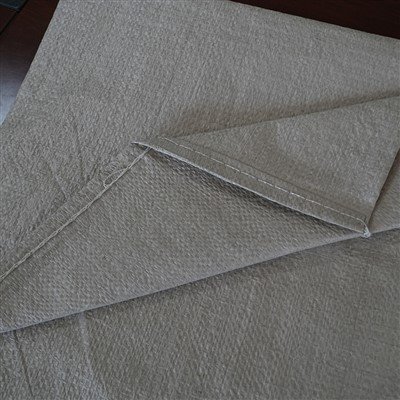
First, let’s start with the basics, because even though it sounds simple, the core difference comes down to that thin, seemingly trivial layer of plastic film. PP, or polypropylene, is the foundation of these bags. When we manufacture unlaminated PP woven bags, we take extruded PP resin, stretch it into thin, tape-like strands, weave those strands into a flexible fabric, and then cut and stitch that fabric into a bag shape. That’s it—no extra layers, no coating, just the woven PP itself. These bags are often called “open bags” or “woven sacks” in regional markets, and their structure is what makes them unique.
Laminated PP woven bags, on the other hand, add one extra step right after that initial weaving process: a thin layer of low-density polyethylene (LDPE) or linear low-density polyethylene (LLDPE) film is bonded to one or both sides of the woven PP fabric. The lamination process uses heat, pressure, or adhesive to fuse the two layers together, so it’s not just a separate patch glued on later—it’s a single, integrated material. That film is usually between 20 and 80 microns thick, depending on how much barrier protection a customer needs.
Now, let’s talk performance, because that’s where the rubber meets the road for anyone buying packaging. Let’s start with unlaminated bags first, since they’re the simpler product. Unlaminated woven PP fabric is breathable—we say it “breathes” because the gaps between the woven PP strands allow air and moisture vapor to pass through. That makes them perfect for products that need to release excess moisture during storage or transport. For example, agricultural products like fresh grains, coffee beans, or silage—if you pack damp grain in a laminated bag, the moisture trapped inside will cause mold, clumping, or even fermentation. I once had a small-scale farmer from Colombia reach out in 2018, upset because his laminated bags caused his corn to mold before it reached the local market. We swapped him to unlaminated bags, and he told me later that his spoilage rate dropped by 70%. That’s the kind of real impact that shows up when you match the bag to the product.
Unlaminated bags are also lighter and more flexible. Because they have no extra film layer, they’re about 10-15% lighter than a similarly sized laminated bag. That’s a big deal for logistics: if you’re shipping 10,000 bags, the extra weight of laminated bags means you pay more in freight costs, and you can fit fewer pallets in a container. They’re also easier to stack temporarily, since they have a slightly “rough” texture from the woven PP strands that helps them grip each other. The downside? They’re porous, so they can let in external moisture, dust, or fine particles. If you’re packing powder cement, for example, tiny cement particles will seep through the gaps and create a mess during handling. Or if you’re shipping in a rainy port, unlaminated bags will absorb water, which can make the contents clump and the bag itself weaker.
Now, laminated PP woven bags’ superpower is their barrier protection. That film layer closes up all the gaps between the woven PP strands, creating a liquid- and vapor-proof seal. So if you’re packing fine chemicals, animal feed, sugar, or salt, laminated bags will keep the contents dry, clean, and free from contamination. I supply a large pet food manufacturer in Germany, and they’ve used laminated bags for their 20kg dog food kibble for 12 years—without that film, the kibble would absorb moisture from warehouse humidity, go stale, and lose its nutritional value. The laminated layer also makes the bags stronger in terms of tensile and tear resistance, up to 20% higher than unlaminated bags of the same base fabric weight. That makes them ideal for heavy-duty bulk products like fertilizer, construction aggregates, or industrial resin pellets—products that weigh 25kg to 100kg, and need to hold up to rough handling at ports or on construction sites.
Laminated bags also offer another huge benefit: printability. The smooth film layer is the perfect surface for high-quality digital or flexographic printing. We can print up to 10 colors, including logos, product information, barcodes, and even QR codes for supply chain tracking. Unlaminated bags have a rough, porous surface, so ink can smudge or fade quickly, which isn’t ideal for brands that want to stand out. That’s why so many consumer-facing companies use laminated bags—they want their packaging to look professional and durable on store shelves.
But wait, laminated bags have their own tradeoffs. The extra film layer makes them less breathable, so they can trap moisture inside if the contents have any water content. That’s a problem for products like grains, as I mentioned earlier. They’re also less flexible when empty—folded laminated bags are stiffer than unlaminated ones, so they take up more space in a warehouse or on a truck for return shipping. And because of the extra material, they’re about 5-10% more expensive per unit than unlaminated bags of the same size. For a customer buying 500,000 bags, that can add up to a significant cost difference, which is why so many small and medium farmers stick with unlaminated options.
Let’s also talk about durability and lifespan, another area where the two bags differ. Unlaminated PP woven bags are UV-stabilized versions, used for outdoor storage, can last up to 2-3 years without significant degradation, while unlaminated standard bags last about 6-12 months when exposed to sunlight. Laminated bags, especially those with a UV-stabilized film layer, can last 3-5 years outdoors, because the film protects the woven PP strands from UV radiation. But if a laminated bag gets punctured, it’s often harder to repair than an unlaminated one, because the two layers separate. Unlaminated woven fabric can be patched with a strip of PP tape, which is a cheap, easy fix for on-site repairs.
We also get a lot of questions about recycling, which is a big topic these days for customers focused on sustainability. Both bags are made of PP, which is recyclable, but the lamination layer can complicate things. Traditional laminated bags are made of two different PP layers, or sometimes PP and LDPE, so they need to be separated before recycling. Newer “mono-material” laminated bags, which use only PP for both the woven fabric and the film, are easier to recycle, but they’re still not as widely accepted in recycling streams as unlaminated bags. Unlaminated PP woven bags are pure PP, so they’re much simpler to recycle, which makes them a more attractive option for brands targeting eco-conscious consumers.
I’ve learned over the years that the best choice almost always comes down to four factors: what you’re packing, how you’re transporting it, and what your long-term needs are. If you’re packing dry, breathable goods like grains, coffee, or basic fertilizer, and you don’t need a high barrier against moisture or dust, unlaminated PP woven bags are the way to go. They’re cost-effective, lightweight, and functional. If you’re packing fine powders, wet-prone products, heavy bulk goods, or you need branding and print quality, laminated PP woven bags are the better investment. They’ll protect your product better, reduce spoilage, and enhance your brand’s presentation.
That said, there’s no one-size-fits-all answer, and I always encourage customers to test both options if they’re unsure. For example, a sugar manufacturer in Brazil once ordered a trial run of laminated bags, but when they tested them with their moist raw sugar, they found the laminated bags trapped moisture and caused clumping. We switched them to unlaminated bags with a food-grade liner, which solved the problem perfectly. Another customer, a construction company in India, initially went with unlaminated bags for cement, but after a few shipments got rained on, they switched to laminated bags, which eliminated all their contamination issues.

As a supplier, I don’t push one product over the other—my job is to help customers find the right solution for their specific needs. If you’re in the market for PP woven bags and you’re still not sure which type is best for your business, I’d be happy to walk you through your options, share real case studies from other customers in your industry, and help you find the most cost-effective and functional solution. You can reach out to our team to discuss your requirements, and we’ll provide a customized quote tailored to your product, volume, and delivery needs.
Kraft Paper Laminated PP Woven Bags References:
- H. B. Jang, S. Y. Lee, “Mechanical and Barrier Properties of Laminated Polypropylene Woven Fabrics for Packaging Applications”, Journal of Industrial Textiles, vol. 42, no. 3, 2013, pp. 287-302.
- Polypropylene Woven Sacks Industry Association, “Global Packaging Standards for PP Woven Bags”, 2022.
- M. A. Rahman, “Moisture Transfer Properties of Woven Polypropylene Fabrics: Unlaminated vs Laminated Structures”, Textile Research Journal, vol. 85, no. 12, 2015, pp. 1275-1284.
- European Plastic Converters Association, “Sustainable Packaging Guidelines for Woven PP Bags”, 2021.
Jining Shunxing Plastics Co., Ltd.
Jining Shunxing Plastics Co., Ltd. is one of the most professional pp woven bag manufacturers and suppliers in China, featured by quality products and low price. Welcome to buy discount pp woven bag in stock here and get pricelist from our factory. We also accept customized orders.
Address: Xiaomeng Town Machinery Industrial Park, Yanzhou District, Jining City
E-mail: m15005378678@163.com
WebSite: https://www.sxwovenbag.com/
