Wedding season is in full swing, and as someone who’s spent the last decade working with apparel accessories for events, I know the struggle of showing up as a guest without accidentally outshining the couple—nor blending into the background so thoroughly that no one recognizes you. The right accessories don’t just pull an outfit together; they signal respect for the day, tie into the venue and dress code, and let your personal style shine, all without overshadowing the people you’re there to celebrate. As an apparel accessories supplier, I’ve worked with thousands of guests, from first-time wedding attendees to veterans who still fumble with the fine print, so today I’m breaking down the science and style of accessorizing for wedding guests, with tips you can actually use. Apparel Accessories
First, let’s talk about the non-negotiable foundation: matching your accessories to the wedding’s dress code and venue, not just your favorite outfit. I’ve seen this mistake time and time again: a guest shows up to a black-tie beach wedding in floor-length silk gloves and a diamond choker only to realize the venue is sand and 90-degree heat, or someone wears a casual linen wrap and leather sandals to a church formal wedding. The key here is to treat accessories as functional extensions of your outfit, not afterthoughts. For black-tie or formal weddings—think ballrooms, upscale hotels, or historic mansions—opt for materials that feel luxe but not flashy: satin, velvet, pearl, or fine metal. A pair of drop pearl earrings can elevate a simple slip dress without competing with the couple’s decor, while a slim, polished clutch in navy or burgundy adds a structured touch to a tailored jumpsuit. For semi-formal or cocktail weddings, held at restaurants, country clubs, or outdoor gardens, you can loosen up a little: woven leather bags, dainty gold layered necklaces, and statement earrings (like geometric resin or textured metal) work perfectly, as long as they’re not so loud they make conversation across a table impossible. And for casual, outdoor weddings—farm, backyard, or beach—lean into natural, breathable materials: raffia clutches, woven hair accessories (silk scrunchies, flower clips, or banana leaf bands), and strappy leather sandals or espadrilles. Pro tip from my team: always check the wedding invitation for cues, and if you’re unsure, a quick text to the couple never hurts—most will appreciate you asking rather than guessing.
Next, let’s dive into the balance of pieces: the 3:1 rule, a framework I’ve developed over years of testing with real guests, that works for 90% of wedding scenarios. The rule is simple: pick one “statement” accessory, one “complementary” accessory, and one “functional” accessory, and stop there. Too many pieces turn your outfit into a distraction, while too few leave it feeling unfinished. Let’s break that down. A statement accessory is the one piece that gets noticed but doesn’t overpower: this could be a bold pair of statement earrings, a wide, textured belt, or a beaded clutch. For example, if you’re wearing a solid, understated maxi dress for a garden wedding, your statement might be a pair of large, hand-painted clay earrings or a small, beaded crossbody bag that matches the color of the dress. A complementary accessory ties the whole look together without taking focus: a thin gold necklace that echoes the metal of your earrings, a silk scrunchie that matches your dress trim, or a pair of nude block heels that add height without drawing attention away. The functional accessory is the piece you need for the day, not just for style: a foldable fan for outdoor weddings, a card holder for cash and a small phone, a small umbrella for unexpected rain, or a comfortable pair of flats to slip into during dancing. The 3:1 rule solves the common problem of over-accessorizing: I once had a client who showed up to a wedding with four necklaces, three rings, and a pair of chandelier earrings so heavy she spent most of the night adjusting them, missing photos and dancing. After we applied the rule, she wore one pair of drop earrings, a thin gold chain, and a small woven clutch, and told me it was the first wedding where she felt comfortable all day.
Now, let’s talk about specific accessories for body type and outfit fit, because one size doesn’t fit all. This is where being an apparel accessory supplier comes in handy—we see firsthand how accessories can flatter or flub an outfit depending on your shape. For petite guests, avoid oversized statement pieces that can swallow your frame: instead, go for delicate, elongated pieces. A pair of thin, drop earrings that fall just below the jawline will elongate your neck, and a small, structured clutch (not a huge hobo bag) will keep your proportions balanced. If you’re wearing a high-waisted midi dress, a thin belt cinched at the natural waist will emphasize your shape without overwhelming it. For curvy guests, opt for accessories that add definition without constriction: wide, flexible belts (avoid stiff, tight styles) that sit at the waist to create a silhouette, and statement earrings that draw the eye upward (to balance a fuller lower half) instead of downward hoops that can add volume. For taller guests, you can pull off slightly larger statement pieces: a wide-brimmed fascinator for a formal wedding, a large beaded clutch, or layered necklaces that hit just below the collarbone to add dimension without looking lost. And for all guests, one small tip: if your outfit has a busy pattern (like a floral print or geometric design), skip loud statement accessories. Let the pattern be the star, and add complementary pieces in a solid color that matches one of the hues in the print. If your outfit is solid, that’s when you can lean into the statement piece—this is the key to avoiding clashing.
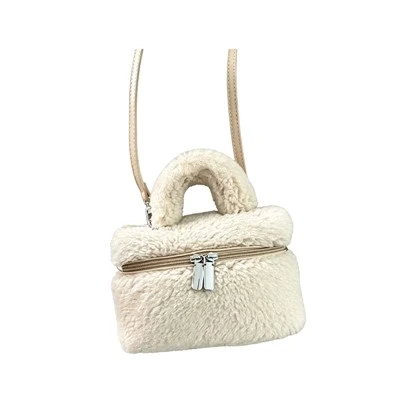
Let’s address the biggest unwritten rule of wedding guest accessories: never outshine the couple. This isn’t about being modest; it’s about respect for the day that’s all about the two people getting married. How does this translate to accessories? Avoid all-white or ivory pieces, even if they’re “just” a clutch or earrings—unless the wedding specifically mentions a “white attire” theme, which is extremely rare. I’ve had guests call us panicking because they bought a white beaded clutch and realized it would clash with the bride’s dress, so that’s a non-negotiable. Also, skip overly flashy accessories: no oversized diamonds, no sequined headpieces that are brighter than the wedding decor, no neon colored pieces that stand out like a sore thumb. If you want to add a pop of color, stick to soft, muted hues: blush, sage, dusty blue, burgundy, or mustard—colors that complement wedding palettes, not compete with them. Another point: avoid accessories that are too casual for the formality. A baseball cap, a fanny pack, or chunky sneakers might work for a backyard barbecue, but for a wedding, they come off as unthoughtful. That said, you don’t have to be stuffy—if the wedding is casual, a woven visor or a crossbody fanny pack in a neutral material is perfectly acceptable, as long as it fits the vibe.
Now, let’s talk about underrated accessories that make a big difference, because most people only think about earrings and clutches for weddings. Hair accessories, for example, are way more versatile than most guests realize. A silk scrunchie in a matching hue can pull back a low bun without being too casual, while a delicate flower clip (real or artificial, depending on the venue) adds a soft touch to loose waves for a garden wedding. For formal weddings, a small, crystal-encrusted hair pin or a thin tiara (not the big, prom kind) adds a subtle luxe touch without being over the top. Footwear is another accessory that gets overlooked. Even if you’re wearing the perfect dress, uncomfortable shoes can ruin your whole day. I recommend bringing a pair of foldable flats or espadrilles to slip on during dinner and dancing—many of our clients tell us this is the best wedding accessory they own, and we’ve designed several styles specifically for wedding guests: soft leather flats that match the color of your heels, foldable into a small pouch so you can carry them in your clutch. Jewelry, too: if you have long nails, avoid rings that catch on fabric, and if you’re wearing a short-sleeved dress, skip wide cuffs that will rub your arm all night. Small, thin bracelets are perfect, and leave room on your wrist for a watch if you need to keep track of the timeline.
Let’s wrap this up with some real examples to make it concrete, because theories are great, but actual outfits help. Example 1: Formal wedding, ballroom venue, guest wearing a floor-length, navy satin gown. Accessories: Statement piece: small pearl drop earrings (luxe, matches the gown, not flashy). Complementary piece: a thin gold chain with a small, delicate pendant (echoes gold details in the earrings). Functional piece: a structured satin clutch (matches the gown, holds lipstick, phone, and tissues). Bonus: A pair of nude satin heels (comfortable for dancing, matches the gown). This look is elegant, respectful, and complete without being overdone. Example 2: Semi-formal wedding, outdoor garden venue, guest wearing a midi wrap dress in blush pink. Accessories: Statement piece: large, textured resin earrings in soft sage (complementary to the pink, not too loud). Complementary piece: a woven raffia belt (cinches the waist, adds texture without being overwhelming). Functional piece: a small crossbody bag in a light tan (holds lip gloss and a foldable fan). Bonus: Strappy leather sandals (breathable for outdoor heat, comfortable). This look is perfect for the venue, fits the dress code, and lets the guest’s personality shine.

I know wedding planning is stressful, and accessorizing doesn’t have to add to that. As an apparel accessories supplier, our job is to make it easy for you to find pieces that fit, flatter, and fit the occasion—no overthinking, no last-minute panic buys. If you’re a wedding guest looking to put together the perfect accessory set, or a host looking to curate a line of wedding-appropriate pieces for your retail space, we’re here to help. Reach out to our team to discuss custom orders, bulk pricing, and tailored recommendations for wedding events of all sizes and styles.
Fur Garments References:
- Fashion Institute of Technology. (2022). Event Apparel Etiquette: Accessories and Dress Codes for Special Occasions. New York, NY: Fashion Institute of Technology.
- The Knot. (2023). Wedding Guest Style Guide: What to Wear (and Avoid) for Every Type of Wedding. Retrieved from industry publications on modern wedding etiquette.
- Textile Institute. (2021). Functional and Fashionable Accessories for Outdoor Events: Balancing Style and Comfort. Manchester, UK: The Textile Institute.
- Journal of Fashion Marketing and Management. (2022). Consumer Behavior in Event Apparel: Understanding Wedding Guest Style Choices. Vol. 26, No. 3, pp. 412-428.
Tongxiang Meike Leather Co., Ltd.
As one of the most professional apparel accessories manufacturers and suppliers in China, we have world-leading production equipment and strong manufacturing capabilities. Please rest assured to wholesale bulk apparel accessories in stock here and get quotation from our factory. Customized orders are welcome.
Address: 6th Floor, Building 3, No.258 Hangfu Road, Tongxiang City, Zhejiang Province China
E-mail: meike-export@outlook.com
WebSite: https://www.fauxfurmk.com/
