Hey guys, let’s cut to the chase: as someone who’s spent the last 8 years supplying office and classroom supplies (yes, the local one you probably reach out to when your school’s printer runs out of ink at 7PM), I’ve seen every messy, overpriced, totally random supply list a teacher or admin has dragged my way. I’ve also seen the stress that comes with picking the wrong stuff—like those cheap markers that dry out before the end of the first week of school, or notebooks that rip the second a 3rd grader shoves them in their backpack. Office Supplies
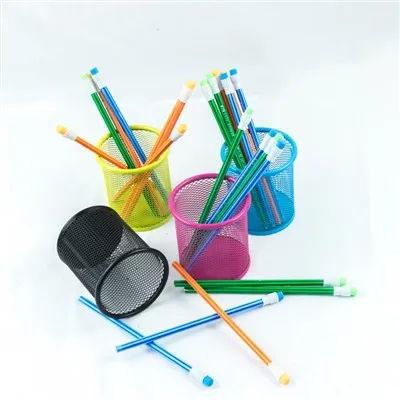
Choosing classroom supplies isn’t just about grabbing whatever’s on the supply list your school emails you. It’s a balance between what works for kids (especially the ones who squirm, rush, or struggle with fine motor skills), what fits your budget (and no, “cheap” and “good” aren’t mutually exclusive), and what actually stands up to the chaos of a room full of 25+ tiny humans plus a teacher who’s already juggling lesson plans, IEP meetings, and snack time. Let’s break this down like we’re chatting over coffee, no stuffy jargon, no 10-step checklists that take 2 hours to fill out.
First up: think about the actual users. We’re not buying supplies for a stuffy office where everyone uses pen and paper once a day. We’re buying for kids—so let’s talk age groups, because a 5-year-old’s crayon needs are way different than a 16-year-old’s needs for a stats class. For little kids (K-2), forget those thin, sharp crayons that break if you look at them wrong. We stock triangular crayons because their little hands haven’t mastered the tripod grip yet—thicker, easier to hold, and they don’t roll off the art table every 2 minutes. For markers, skip the ones with caps that take 20 seconds to pry off (kids waste so much time fighting those, and then the caps get lost). We sell the push-pull kind, and make sure they’re water-based and non-toxic (duh—toddlers mouth everything, so that’s non-negotiable).
For older kids (3-5), fine motor skills are getting better, but they’re still messy. I’ve seen teachers come back to me complaining about glue sticks that dry out mid-project mid-year. The fix? We stock heavy-duty, PVA-based glue sticks that last twice as long as the drugstore ones, and they’re not the kind that leaves a crusty mess on paper. For notebooks, older kids love fun covers, but skip the ones with flimsy spines—they’ll rip after a week of being stuffed in lockers. We have notebooks with reinforced spines that are just as cheap as the dollar store ones, but they actually survive. And for middle and high school? Graphing calculators that are approved for tests, obviously, but also stuff like highlighters that don’t smudge (no more cross-outs on math homework) and sticky notes that come in bold colors so teens can annotate novels without squinting.
Next: budget, but not the “cut every corner” budget. Here’s the thing I always tell teachers: if you buy a $0.50 pack of crayons that dies in 3 days, you’re spending $5 a kid by the end of the month. Buy a $1.50 pack that lasts 3 months, you’re saving $3.50 per kid, and you’re not wasting time replacing stuff every week. That’s where knowing your supplier (hi, that’s me!) comes in—we offer bulk pricing, and we do free samples so you can test a pack of crayons before you order 50. A lot of schools don’t realize that small suppliers like me can beat big box stores on price and quality because we specialize in classroom stuff, not everything under the sun. Also, watch for hidden costs: cheap paper that tears when you run it through the copier, or pens that dry out before the end of the day. We only stock pens that write for at least a week of heavy use—no more tossing half-used pens because they died mid-lesson.
Then there’s accessibility. This is huge, and a lot of people miss it. A classroom is for every kid, right? So if you’re buying stuff, make sure it works for kids with different needs. For example, we have tactile crayons that have a slight texture for kids with sensory issues who don’t like smooth crayons. For kids with dyslexia, we sell lined paper with wider spaces, and markers that are brighter so they can see the lines easier. We also have slanted rulers for kids who struggle with writing straight, and pencils with ergonomic grips for kids with fine motor delays. I once had a teacher tell me that her special ed students went from refusing to write to finishing their work in 10 minutes when we switched to the ergonomic pencils. That’s the stuff that matters—supplies that don’t just “work” for the average kid, but for every kid in the room.
Don’t forget durability and mess. Classrooms are messy. Art projects, science experiments, snack time, rainy-day recess where kids track mud in. So buy supplies that can handle it. For example, vinyl placemats that can be wiped clean (not paper ones that tear after one lunch). Cardstock that’s thick enough for dioramas and not bends when you add glue. Storage bins that are plastic, not flimsy cardboard, so you can stack them in the closet and they don’t collapse. We have these awesome storage bins with lids that are labeled for you—no more rummaging through a box of random crayons. And for things like whiteboards, skip the cheap ones that leave streaks. We sell dry-erase boards that are magnetic (great for posting student work) and have a smooth surface that erases clean every time, even after a month of use.
Another tip: skip the unnecessary “fun” stuff. I know, the school supply aisles are full of glitter pens, neon everything, and backpacks with cartoon characters. But glitter is a nightmare to clean up (it gets in the carpet, in the floor cracks, in the snack). And those cool-looking pens with the clicky tops? A 2nd grader will lose the top in 2 minutes. Stick to practical stuff—yes, a little fun is okay, but don’t waste money on stuff that’s just going to end up in the trash. We do have some fun options (like themed sticker packs for rewards) but we make sure they’re actually useful, not just a gimmick.
Also, think about bulk vs. individual. If you’re a small classroom, maybe you don’t need a 100-pack of pencils, but if you’re a whole elementary school, bulk is the way to go. We have custom bulk pricing for schools, and we can deliver straight to your door—no more lugging 50 packs of paper from the big box store in your minivan. I even offer to set up a supply station for schools, so teachers can come pick up what they need whenever they need it, instead of waiting for a big order to arrive. I once had a teacher call me at 8AM saying her class needed 20 glue sticks for a craft that day, and I dropped them off by 9—no extra charge. That’s the kind of service you don’t get from a big chain.
Wait, and let’s talk about something a lot of people overlook: sustainability. More and more schools are trying to be eco-friendly, and I get it—kids need to learn that, too. So look for supplies that are made from recycled materials. We have paper that’s 100% post-consumer recycled, crayons made from old wax (not new petroleum), and plastic storage bins that are made from recycled plastic. They’re just as durable as the non-eco stuff, and kids love talking about how they’re using supplies that help the planet. That’s a teaching moment rolled into one—win-win.
So putting this all together: when you’re picking classroom supplies, start with who’s using them (every kid, not just the “average” ones), then budget smart (buy quality that lasts, not cheap that breaks), add accessibility for all learners, pick stuff that can handle the mess, skip the gimmicks, and if sustainability matters, opt for eco-friendly options. And hey, if you’re not sure where to start, or you want to test some samples, hit me up—we work with tons of local teachers and schools, and we can help you put together a supply list that fits your exact needs, no pressure, no hidden fees. We’re not the big corporate supplier that treats schools like a number—we’re the one that shows up when you need a last-minute order, that listens when a teacher says the glue sticks are too dry, and that works with you to stay on budget.
I’ve been doing this for long enough to know that the right supplies don’t just make a teacher’s job easier—they make a kid’s day better. If a kid has a crayon that doesn’t break, a pencil that feels good in their hand, or a notebook that doesn’t fall apart, they’re more likely to participate, to create, to learn. That’s why I take this seriously, and that’s why we stock every supply with that in mind.
Hardware Products If you’re ready to get set up for the school year, or you need to restock mid-semester, just reach out. We can chat through your needs, send over samples, and get you a quote that works. No hoops, no complicated forms—just good supplies and good service, because that’s what classroom communities deserve.
References
- American Academy of Pediatrics. (2022). Developmentally Appropriate Classroom Supplies for K-5 Learners. Retrieved from educational health and child development resources
- National Center for Learning Disabilities. (2021). Accessible School Supplies for Students with Learning Differences. Retrieved from inclusive education practice guidelines
- U.S. Environmental Protection Agency. (2023). Eco-Friendly Office and Classroom Supply Recommendations for K-12 Institutions. Retrieved from sustainable school resource libraries
Anhui Yueteng Craft Manufacturing Co., Ltd.
As one of the most professional office supplies manufacturers and suppliers in China, we have world-leading production equipment and strong manufacturing capabilities. Please feel free to wholesale high quality office supplies in stock here from our factory. Customized orders are welcome.
Address: 18 North Chuangye road, Lixin County, Bozhou, Anhui Province
E-mail: ljh93093@outlook.com
WebSite: https://www.ironofficestoragepro.com/
