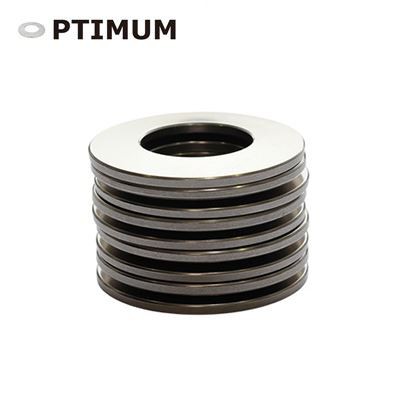
If you’re in any industry that uses fasteners—whether it’s construction, automotive, agriculture, or even DIY projects around the shop—you’ve definitely dealt with serrated safety washers. You know, those little ring-shaped guys with sharp teeth on one side that bite into metal surfaces to stop bolts from loosening due to vibration? They’re absolute workhorses, but let’s be real: corrosion can turn them into total duds way faster than anyone wants. I’ve been supplying these washers for 12 years now, and I’ve seen every trick in the book when it comes to keeping them rust-free and performing like they should. A lot of my customers come to me saying, “My washers corroded in just 6 months—what gives?” So today, I’m breaking down exactly how to prevent that, from the right material choices to little maintenance hacks that actually work, no fancy jargon required. Serrated Safety Washer
First off, let’s get one thing straight: serrated washers corrode for a lot of reasons, and most of it has nothing to do with the washer itself—though bad quality materials definitely don’t help. I once had a customer in the marine industry bring me a batch of washers that rusted through in 3 months. Turns out, he’d bought cheap, uncoated generic washers from a big-box hardware store thinking “one size fits all.” No. When it comes to safety washers, material isn’t a side note—it’s the foundation of corrosion resistance. Let’s start there.
If you want washers that fight corrosion, skip the plain carbon steel that’s only ever dipped in oil for temporary protection. That stuff rusts the second it’s exposed to moisture and road salt or whatever environment your project’s in. The real workhorses here are things like 304 stainless steel, which is the most versatile go-to for most applications. It’s got chromium in it—like, around 18%—which reacts with oxygen in the air to form a super thin, invisible protective layer (we call it a passive film, but you don’t need to remember that name). That film stops rust from spreading, even if the surface gets scratched. I recommend 304 for everything from automotive under-hood parts to general construction, as long as it’s not in super harsh chemical environments.
For way harsher stuff—like chemical plants, coastal areas with constant salt spray, or offshore oil rigs—you need to step up to 316 stainless steel. It has molybdenum added, which is like a superpower against chloride ions (those are the big rust culprits in salt water or de-icing salt used on roads in winter). I had an agriculture client last year who works on farm equipment that’s constantly exposed to fertilizer (super corrosive, by the way) and rain. He switched from 304 to 316, and his washers haven’t corroded in over a year, where before they were falling apart every 4 months. Worth the extra few cents per washer, trust me—you’ll save way more on replacement parts and downtime.
Wait, but what if you’re on a tight budget and 316 is overkill? Then look for coated carbon steel. Not just any coating, though—don’t get tricked by “black oxide” or plain zinc plating that’s so thin it scratches off before you even install the washer. The good ones are hot-dip galvanized (HDG) or zinc-nickel plated. Hot-dip galvanizing means dipping the washer into molten zinc, so the coating is thick, durable, and actually bonds well to the steel. It’s perfect for outdoor fencing, playground equipment, or construction materials that sit in the elements long-term. Zinc-nickel is even better than plain zinc—it has up to 15% nickel, so it’s way more scratch-resistant and stands up to salt spray way longer than standard zinc. I once tested a batch of zinc-nickel washers vs. plain zinc ones in a salt spray chamber (standard test for corrosion resistance) and the plain zinc ones rusted through after 400 hours; the zinc-nickel ones held strong for over 1,200 hours. That’s the difference between a washer that lasts a year and one that lasts 5+.
Okay, so material is half the battle, but even the best washers will corrode if you install them wrong. I see this all the time—guys tightening bolts way too much, or not prepping the surfaces they’re mounting to, and that’s where corrosion starts. Let’s talk installation. First, always make sure the surfaces you’re putting the washer on are clean. If there’s grease, dirt, rust scale, or paint on the metal where the washer’s teeth bite, those sharp serrations can’t get a proper grip. Wait, no—actually, the opposite happens. If there’s gunk in between the washer and the base metal, the teeth might not penetrate correctly, so the washer doesn’t do its job of preventing loosening. Worse, that trapped dirt or moisture can create a little micro-environment right where the washer sits, and that’s a prime spot for corrosion to start. I always tell customers to wipe down both the washer and the mounting surface with isopropyl alcohol before installation—takes 30 seconds, and saves you months of rust issues.
Then there’s the orientation of the washer. Duh, right? Serrated washers have teeth on one side—you need to put the tooth side against the softer of the two metals, not the harder one. Wait, why? If you put the teeth against a hard metal like uncoated steel, the teeth might not bite deep enough, and the protective coating on the washer could scratch off, exposing the steel underneath to rust. If you put them against a softer metal—like aluminum, or a painted surface (as long as the paint isn’t flaking)—the teeth dig in smoothly, and the coating stays intact. I had a customer in the automotive industry who kept breaking bolts because he was putting his washers on backwards. Once he fixed the orientation, no more loose bolts, and the washers didn’t corrode at all. Small thing, but it makes a huge difference.
Tightening torque is another big one. Way too many people crank bolts down as hard as they can, thinking that’s what makes things secure. But if you tighten a serrated washer too much, you strip the teeth, scratch through the washer’s protective coating, and can even cause stress corrosion cracking in the metal. That’s when tiny cracks form in the washer because of tension, and those cracks fill with moisture, turning into rust pits that eat through the washer from the inside out. Always follow the manufacturer’s torque specs for your bolt and washer size. If you don’t have specs, a general rule is to tighten until the washer’s teeth are fully seated—you’ll feel a slight resistance, and that’s it. No need to go to the point where the base metal deforms.
Now, what about maintenance? A lot of people think once you install the washers, you can forget about them forever. But a little routine check-up goes a long way, especially for outdoor or high-stress applications. If your project is exposed to heavy rain, snow, salt spray, or chemicals, do a quick inspection every 6 months. Look for any signs of rust—tiny brown pits on the washer surface, or discoloration around the base where the washer sits. If you spot early rust, you can sand it off lightly with fine-grit sandpaper, then touch up the washer (or the area around it) with a clear, rust-inhibiting paint or a thin coat of food-grade grease. Wait, grease? Yeah, for parts that are moving, like agricultural equipment or machinery hinges, a light coat of marine-grade grease on the washer before installation adds an extra layer of protection against moisture. Just don’t use too much—you don’t want it getting in the way of the serrations gripping.
Another thing to avoid: mixing different metals. I can’t stress this enough. If you put a steel washer against an aluminum base, or a zinc-coated washer against copper, you get galvanic corrosion. That’s when two dissimilar metals in the presence of moisture create a tiny electrical current, which eats away the less noble metal (usually the one with less protection, like the zinc coating on a steel washer). I had a customer who installed galvanized washers on a copper roof, and within a year, the washers were completely corroded, and they had to replace the entire roof section. Always check a galvanic corrosion chart before mixing metals—most of the time, you want to pair metals that are close in the reactivity scale, like stainless steel with stainless steel, or zinc with steel. If you have to mix metals, use a dielectric washer or a thin plastic spacer between them to block the electrical current. That’s a cheap fix that saves you from a huge headache later.
Wait, what about washers that are already corroded? Can you save them? Sometimes. If it’s just surface rust (the kind that’s light brown, not pitted deep into the metal), you can remove it with a wire brush, rust remover spray, or even a vinegar soak. Then dry it completely and apply a clear rust-inhibitor to seal it. But if there are deep pits or the washer is starting to crack, just replace it. A corroded washer can’t do its job of stopping bolts from loosening, and if it breaks, that can lead to way bigger issues—like a bolt falling off a construction beam or a car part failing on the road. It’s not worth the risk to keep a rusted washer around.
Let me share a real example to drive this home. Last year, a client in the heavy equipment industry reached out because he had 200 serrated washers on his excavator tracks that were corroding after only 8 months. He’d bought cheap carbon steel washers from a non-specialty supplier, and he was tightening the bolts way too hard, plus he was using them on aluminum track brackets (mixing metals—bad move). We swapped them for 316 stainless steel serrated washers, prepped all the surfaces with isopropyl alcohol, tightened them to the correct torque, and put a light coat of grease on each one. Now, 16 months later, not a single washer has a spot of rust. He ended up ordering another 500 washers for his other equipment, and he’s been a repeat customer ever since. That’s what I love about this industry—when you get the right product and do it right, it works.
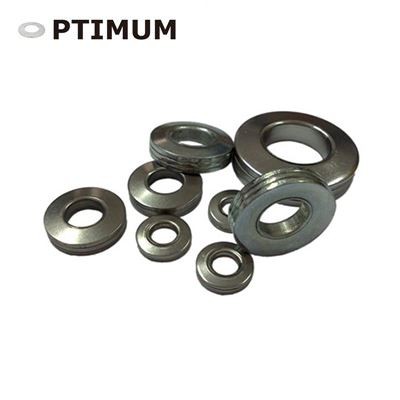
I know a lot of people don’t think about serrated safety washers as a big deal, but they’re one of those unsung heroes that hold everything together. Corrosion doesn’t have to be a given if you pick the right material, install them correctly, and do a little routine maintenance. Skip the cheap generic stuff, don’t ignore orientation and torque, avoid mixing metals, and don’t be afraid to do a quick check every few months. If you’re working on a project right now and aren’t sure which washers to use, or you have questions about corrosion resistance for your specific application, feel free to reach out to me. I’ve been in this business long enough to help you pick the perfect washer for whatever you’re building or repairing. Let’s make sure your washers last, so your projects last too.
Conical Spring Washer References
- ASM International. Corrosion: Materials, Volume 13. ASM International, 2005.
- NACE International. Galvanic Corrosion: Understanding the Basics. NACE International, 2018.
- Stainless Steel Industry Association. Selection Guide for Stainless Steel Fasteners and Washers. SSIA, 2020.
- Zinc Development Association. Hot-Dip Galvanizing for Corrosion Protection. ZDA, 2019.
- Automotive Industry Action Group. Fastener Installation Best Practices for Corrosion Prevention. AIAG, 2021.
Yangzhou Optimum Spring Manufacturing Co., Ltd.
As one of the most professional serrated safety washer manufacturers and suppliers in China, we’re featured by quality products and good service. Please rest assured to buy customized serrated safety washer made in China here from our factory. For more information, contact us now.
Address: No.9 West of Shuangtang Rd, Yangzhou, P.R. China 225000
E-mail: susie@optimum-spring.com
WebSite: https://www.optimum-spring.com/
