Alright, let’s cut to the chase—if you’ve ever been behind the wheel and thought, “Wait, why is this car feeling sketchy around turns?” or “My lane changes don’t feel as crisp as they used to,” you’ve probably dug around for possible issues. Now, I’m a stabilizer bar bushing supplier, so I hear this question all the time: Can a bad stabilizer bar bushing cause drifting issues? Spoiler alert—yes, but let’s break this down like we’re chatting in a parts shop, not a college lecture hall. No stuffy jargon, no random facts pulled out of thin air, just the real deal that techs and drivers actually deal with. Stabilizer Bar Bushing
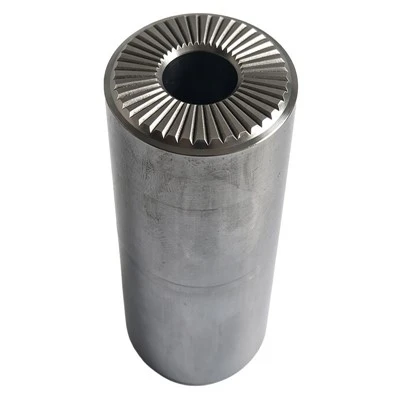
First, let’s make sure we’re on the same page about what a stabilizer bar (that’s the sway bar, if you’ve heard it called) and its bushings do. Think of the sway bar as a playground seesaw—when you turn left, the left wheel compresses, the right extends, and the bar twists a little to keep the body from leaning too far. The bushings are the rubber (or sometimes polyurethane) sleeves that sit between the sway bar and the frame/control arms, right? They’re not just a fancy spacer—they hold the bar steady so it can do its job without wobbling around. That’s key. If those bushings are shot? All bets are off.
Now, drifting issues. Wait, what counts as “drifting” here? We’re not talking about intentional, tire-smoking drifting (though that’s fun for track days). We’re talking about the kind of unwanted drifting—like when your car pulls to one side randomly, or when you turn the wheel and it feels like the car is leaning so much it’s sliding instead of cornering, or when lane changes feel like the back end is slipping way more than it should. That’s the stuff that makes you grip the wheel tighter, and that’s exactly where bad bushings come in.
Let’s walk through how worn bushings mess this up. The bushing’s main job is to keep the sway bar mounted firmly to the chassis. If the rubber cracks, shrinks, or gets all squishy from age and heat, the bar can move around instead of working as a single unit. Here’s the thing: when you turn, the sway bar is supposed to transfer force between the two wheels to reduce body roll. If the bushing is gone, that force doesn’t transfer evenly. Say you take a right turn—your left front wheel compresses. The sway bar should pull down on the right front to keep it from lifting too much, which keeps the car flat. But if the left sway bar bushing is bad, the bar just wiggles in its mount instead of pulling that right wheel down. What happens next? The body rolls way more than it should, and the car will start to drift—like it’s leaning so far it’s going to slide out of the turn. That’s not fun, and it’s definitely a safety thing.
Wait, but let’s not stop at turns. What about straight-line drifting? You know, when you’re cruising on the highway and the car keeps pulling to one side even after you adjust the alignment? A lot of people blame tires or alignment, and those are common, but bad sway bar bushings are a hidden culprit here. How? If one bushing is way more worn than the other (which happens all the time—drivers don’t replace bushings in pairs usually, I’ll be honest), the sway bar isn’t sitting level. So when you’re going straight, the unbalanced bar tugs the chassis to one side. Techs might spend hours adjusting toe and camber, only to find the root cause is a $15 bushing that’s been falling apart for years. I see this every single week at the shop I supply parts to—guys come in complaining about constant pulling, we check the sway bar, and one bushing is just splitting down the middle. Game over for the alignment issue.
But let’s get specific about different types of driving too. If you’re a daily driver, that unwanted pull or wobbly corner is annoying. If you’re someone who tracks their car, bad bushings are a total nightmare. Track drivers need every bit of precision, and body roll from worn bushings makes the car feel sluggish—you can’t hit your apex correctly, the car understeers or oversteers unexpectedly, and that’s how you spin out. I had a customer last month who races a modified Mazda Miata—he thought his entire suspension was shot because his laps were getting slower and he kept drifting wide on left turns. Turns out his front sway bar bushing had cracked from repeated track heat, so the bar was just flopping around. We sent him a set of polyurethane replacements (he wanted something stiffer for track use) and he texted me a week later saying his lap times dropped two seconds and the car finally felt glued to the road. That’s the real proof right there.
Wait, but let’s debunk a quick myth: some people think only sway bar links (the little end caps) cause these issues, but no—bushings are equally important. The links connect the bar to the control arms, but if the bushings at the frame mount are bad, the entire system is useless. It’s like having a bike chain that works but the gears are loose—you can pedal, but nothing’s smooth. Same idea here.
Now, how do you spot a bad sway bar bushing before it leads to those drifting issues? Let’s make this practical. First, listen for weird clunking noises when you go over bumps—like a thud or rattle from the front or rear end, especially when you hit potholes or speed bumps. That’s the bar moving around in a bad bushing. Then, when you test drive it, pay attention to body roll—does the car lean way more than it used to in turns? And the straight-line pull we talked about. If you notice any of these, don’t wait—replace the bushings. And pro tip: don’t skimp on parts. A lot of people go for cheap rubber bushings, but if you drive hard or live in a place with extreme temperatures, polyurethane bushings last longer and hold their shape better, so they won’t cause the same drifting issues down the line.
As a bushing supplier, I can’t tell you how many times I’ve seen people cut corners here. They’ll replace their tires, their alignment, their links, and ignore the bushings that cost less than a dinner out. Those bushings are the unsung heroes of your suspension—they keep everything connected, so when they fail, every part of your driving experience suffers, from cornering to straight-line stability.
Let’s circle back to the original question: Can a bad stabilizer bar bushing cause drifting issues? 100% yes. It’s not just a “minor wear and tear” part—when it goes bad, it throws off the entire sway bar’s function, leading to unwanted body roll, straight-line pulling, and that slippery, drifting feeling that makes driving stressful. If you’re noticing any of these issues, don’t guess—get your suspension checked, and don’t overlook the bushings.
Want to make sure your car stays steady? We’ve got you covered. Whether you’re a daily driver needing reliable rubber bushings or a track racer wanting stiffer polyurethane options, we stock quality stabilizer bar bushings for almost every make and model. Reach out to us to chat about the right parts for your ride, no pressure, just straight answers.
Subframe Bushing References:
- Vehicle Dynamics: Theory and Application, 2nd Edition, Gillespie, T.D.
- Automotive Suspension and Steering Systems, 5th Edition, Eastman, T.
- Sway Bar and Bushing Performance: Effects on Handling Stability, Society of Automotive Engineers (SAE) Technical Paper, 2018.
Ningguo Wanchang Metal Technology Co., Ltd.
As one of the most professional stabilizer bar bushing manufacturers and suppliers in China, we have world-leading production equipment and strong manufacturing capabilities. Please feel free to wholesale high quality stabilizer bar bushing made in China here from our factory. Customized orders are welcome.
Address: East of Tiancun Village, Meilin Town, Ningguo City, Xuancheng City, Anhui Province
E-mail: Wh13856395728@163.com
WebSite: https://www.wanchang-atuoparts.com/
