If you’ve ever walked into a factory automation floor, controlled a conveyor system that sorts packages, or monitored the temperature in a warehouse’s cold storage units, you’ve interacted with a PLC (Programmable Logic Controller) — and chances are, that PLC was housed in a wall-mounted PLC cabinet. For 12 years, I’ve supplied these cabinets to automation integrators, plant engineers, and original equipment manufacturers (OEMs) across North America, and I’ve lost count of how many times I’ve heard, “What even is a wall-mounted PLC cabinet, and why does it matter so much for my operation?” Let’s break this down, not with jargon, but with the real-world context that matters for anyone who relies on consistent, safe industrial automation. Plc Cabinet

First, let’s start with the basics: a PLC itself is a ruggedized computer designed to run industrial control tasks — it takes input signals from sensors (like a light beam that detects a missing part, or a temperature gauge that triggers a fan) and sends output signals to actuators (motors, valves, alarms) based on pre-programmed logic. A wall-mounted PLC cabinet isn’t just a box holding a PLC; it’s an integrated, purpose-built enclosure that wraps all the components needed to make that PLC work reliably, and do so in the harsh environments factories often throw at it.
When I first started out in this business, I’d make the mistake of thinking customers only cared about the PLC inside. I once quoted a customer a low price for a bare enclosure, only to find out they were installing it in a paper mill where humidity hit 90% in winter and dust coated every surface. A bare box would have rusted in three months, and the PLC would have shorted out. That’s when I learned: the cabinet is the unsung backbone of PLC functionality, and wall-mounting is a design choice that solves specific space and accessibility problems in many facilities.
So, what makes a wall-mounted PLC cabinet different from a freestanding floor model? Let’s list the core elements that every standard design includes, and why they’re non-negotiable. First, the enclosure itself is almost always made of powder-coated steel — sometimes stainless steel for washdown environments, like food and beverage plants where hoses are used to clean equipment. The powder coat isn’t just for looks; it resists corrosion, scratches, and the chemicals common in industrial settings. It’s mounted to a wall using heavy-duty brackets, so it doesn’t take up valuable floor space — a huge win for factories where every square foot is allocated to production machinery. That’s a big reason wall-mounted cabinets are so popular: a 12×18 inch wall unit can hold the same components as a 24×36 inch freestanding one, without blocking walkways or forklift paths.
Next, the internal components. Inside, you’ll find the PLC module (which might be a single compact unit for small control tasks, or a modular rack with input/output (I/O) cards for larger systems), a power supply to convert 120V or 240V factory power to the low 24V DC the PLC uses, terminal blocks to organize wiring so technicians can trace connections without confusion, and a cooling system — usually a fan with a filter, since overheating is the number one cause of PLC failures. I always tell customers a cabinet’s filter is not a trivial part; a clogged fan filter can raise internal temperatures by 15 degrees, cutting the PLC’s lifespan by half. For harsher environments, we also add thermal insulation to the enclosure, so extreme outside temperatures don’t disrupt internal operation.
Then there are the safety features. Industrial environments have strict OSHA guidelines, and wall-mounted cabinets have to comply. That means locked access doors to prevent unauthorized personnel from tampering with controls, emergency stop (E-stop) connections integrated into the cabinet’s wiring, and grounding bars to protect against electrical surges. I once worked with a metal stamping plant that had a PLC cabinet mounted on the floor; a forklift knocked into it, cutting power to the stamping press and costing them $40,000 in downtime. We designed their replacement as a wall-mounted unit, 6 feet off the ground, with steel brackets anchored to concrete studs in the wall — a simple fix that eliminated that risk entirely.
Now, let’s talk about why wall-mounted is often the right choice, vs. other mounting options. Freestanding cabinets are great for large, distributed control systems, but they’re not practical for small-to-medium operations, or for facilities where floor space is at a premium. Panel-mounted PLCs (housed directly on a machine’s control panel, no separate cabinet) are even more compact, but they lack the protection and organization of a dedicated cabinet. For example, if you’re running a packaging line with four small PLC-controlled stations, wall-mounted cabinets let you place each controller right next to the station it’s managing, reducing the length of wiring between the PLC and the sensors/actuators. Less wiring means less signal interference, fewer points of failure, and lower installation costs. We’ve had customers install wall-mounted cabinets on mezzanines above production floors, so maintenance techs don’t have to step onto busy lines to perform checks — a small convenience that cuts downtime by an average of 20%, according to the plant managers we work with.
Of course, not all wall-mounted PLC cabinets are the same. Customization is a big part of our business, because every customer’s operation has unique needs. For a pharmaceutical company, we build cabinets with extra seals to keep out particulate matter, so they meet FDA cleanroom requirements. For a wastewater treatment plant, we add weatherproof enclosures and corrosion-resistant hardware, since the cabinet is often mounted outside near holding tanks. For a small bakery, we use food-grade stainless steel and easy-to-clean surfaces, to comply with food safety regulations and resist flour dust and grease. I once worked with a customer who needed a cabinet to control a 3-axis robotic arm for automotive parts assembly; we integrated a touchscreen HMI (Human-Machine Interface) directly into the cabinet’s door, so operators can adjust settings without opening the enclosure, and added a custom cable gland plate to accommodate the thick wiring needed for the robot’s power.
One question I get a lot is: “Can’t I just build a wall-mounted PLC cabinet myself, instead of buying one from a supplier?” I get the appeal — it might seem cheaper on the surface, but in my 12 years, I’ve seen more failures come from DIY cabinets than any other source. For starters, most DIYers don’t account for thermal management. If you stuff a PLC, power supply, and 10 I/O cards into a small box with no fan, the heat builds up and the PLC will trip its internal safety shutdowns — a frustrating, costly downtime event. Also, industrial wiring requires compliance with NEC (National Electrical Code) standards, and a poorly grounded DIY cabinet can cause electrical noise that disrupts nearby sensors, leading to false alarms or incorrect control signals. I had a customer a few years back who tried a DIY cabinet for their conveyor system; the wiring was messy, and every time the conveyor went around a tight bend, a wire would come loose, halting production 12 times a week. We re-wired their cabinet with organized terminal blocks and strain reliefs, and those issues stopped entirely.
Another point to consider: support. When you buy a wall-mounted PLC cabinet from a supplier like us, you’re not just buying a box — you get technical support. If a PLC fails, we can help you troubleshoot remotely, or ship a replacement part within 24 hours for emergency orders. We also provide documentation: wiring diagrams, software setup files, and maintenance checklists, which are critical for plant managers to pass audits and keep their operations running. A DIY cabinet won’t come with that, and if you’re not an electrical engineer, tracking down a wiring issue can take hours.
Let’s also touch on common misconceptions. Some people think wall-mounted cabinets are only for small PLCs, but that’s not true. We supply cabinets that hold large PLC racks with 20+ I/O cards, for systems that control entire production lines. The key is sizing: we work with customers to measure their space, their component layout, and their future expansion needs — so even if they add 5 more I/O cards in a year, the cabinet has extra space to accommodate them. That’s another reason to work with a specialist: we don’t just sell you what fits today; we plan for tomorrow.
Now, let’s talk about maintenance, because even the best wall-mounted PLC cabinet won’t last forever if you ignore it. The good news is, maintenance is simple, because the cabinet is designed for accessibility. Every quarter, we recommend checking the fan filter and cleaning it if it’s clogged, tightening any loose terminal connections, and inspecting the powder coat for scratches that could lead to corrosion. Most of our customers set up a recurring maintenance schedule with our team, so we send a technician to check their cabinets annually — a small investment that prevents 90% of the common PLC-related issues we see. I’ve had customers tell me their wall-mounted cabinets have lasted 15 years, which is double the average lifespan of a DIY cabinet, because we build them with durable materials and design them for easy upkeep.
If you’re a plant engineer, automation integrator, or OEM looking to upgrade your control systems, the wall-mounted PLC cabinet is more than just a component — it’s a tool that improves safety, reduces downtime, and maximizes space. For small operations, it’s a cost-effective alternative to freestanding cabinets. For large operations, it’s a flexible solution that can be customized to meet unique industry requirements. For 12 years, I’ve seen firsthand how a well-built, properly installed wall-mounted PLC cabinet can turn a inconsistent, high-maintenance automation system into a reliable, efficient one.
At the end of the day, the goal of any automation system is to keep operations running smoothly, safely, and profitably. A wall-mounted PLC cabinet is the hidden piece that makes that happen, protecting the delicate PLC components from the harsh industrial environment, organizing wiring for easy access, and fitting into the tight spaces where floor models won’t work. If you’re not sure what kind of wall-mounted PLC cabinet is right for your operation, or you have questions about customization, sizing, or compliance, I’m here to help. We work with facilities across industries, from food and beverage to automotive to wastewater, and we’ll design a cabinet that fits your exact needs, no matter how big or small the project.
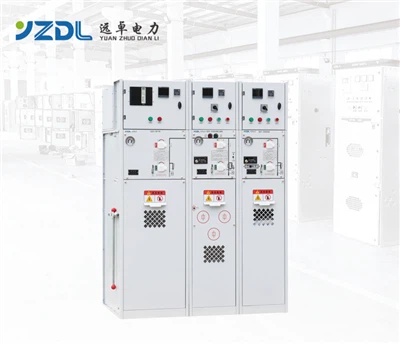
Don’t let a poor control enclosure derail your production. Reach out to start a conversation about your PLC cabinet needs today.
Uninterruptible Power Supply References
- National Electrical Code (NEC), Article 400: Enclosures for Industrial Control Equipment
- International Society of Automation (ISA), Standard ISA-76.00.01: Industrial Automation Systems – General Requirements for Control Cabinets
- Occupational Safety and Health Administration (OSHA), 29 CFR 1910.308: Electrical Equipment for General Use – Enclosure Requirements
- Industrial Automation World, “Common Causes of PLC Control System Failures” (2022)
Yuanzhuo Electrical Equipment (Jiangsu) Co., Ltd.
We’re well-known as one of the leading plc cabinet manufacturers and suppliers in China. We warmly welcome you to wholesale high quality plc cabinet at competitive price from our factory. If you have any enquiry about cooperation, please feel free to email us.
Address: Group 8, Chengdong Village, Fucheng Sub-district Office, Funing County
E-mail: mark.yzpower@gmail.com
WebSite: https://www.yzdlchina.com/
