If you’ve sat down to a warm, comforting bowl of porridge at breakfast, chances are you’ve had rice, oats, or even quinoa as the base – but have you ever considered millet? As a millet supplier with years in the business, I get this question all the time. The short answer is: absolutely, and not only does millet make fantastic porridge, it brings a host of benefits that set it apart from more common grains. Let’s break this down, from the science of millet to why it works so well in a creamy porridge, plus why it might just become your new go-to base. Millet

First, let’s talk about what millet actually is – and why it’s such a good candidate for porridge. Millet is a small, round, gluten-free grain that’s been a dietary staple in parts of Africa, Asia, and South America for thousands of years. Unlike refined grains, it’s a whole grain, meaning it retains its bran, germ, and endosperm – the parts that hold fiber, vitamins, and minerals. For porridge, texture is everything, and millet has a mild, slightly nutty flavor and a naturally starchy core that softens beautifully when cooked with liquid. That starch is key: when heated, the grains release amylose and amylopectin, two types of starch that break down and thicken the porridge without needing added thickeners like cornstarch or flour. This makes it perfect for anyone who loves a creamy, hearty bowl without extra additives.
I’ve worked with millet in different forms – from hulled whole millet to ground millet flour – and each works for porridge, depending on what you’re looking for. Whole grain millet (the most common form I supply) cooks up in about 20 to 25 minutes when using a 1:3 ratio of millet to liquid (water, almond milk, cow’s milk, whatever you prefer). When cooked, the grains plump, soften, and the surrounding liquid turns smooth and creamy, similar to rice porridge but with a lighter, less sticky texture. Ground millet, on the other hand, is ideal for a finer, smoother porridge – think of it as a substitute for cream of wheat or instant oats. It cooks even faster, in 5 to 10 minutes, and blends seamlessly into the liquid for a texture that’s almost pudding-like. For anyone who’s tried porridge but wants to switch things up without sacrificing creaminess, millet checks all the boxes.
Now, let’s get into the nutritional side, because that’s where millet porridge really shines. Unlike many refined porridge bases, millet is packed with nutrients that support long-lasting energy – perfect for starting the day or warming up on a cold evening. A ½-cup serving of dry millet has about 6 grams of protein and 2 grams of fiber, more than white rice (which has less than 1 gram of fiber per ½ cup). That fiber slows digestion, so you won’t hit that mid-morning slump that often comes from a bowl of plain oatmeal or rice porridge with added sugar. Millet is also rich in B vitamins, especially niacin, thiamine, and folate, which are important for brain function and converting food into energy. It’s got magnesium too – a mineral that helps with muscle relaxation and sleep, which is a nice bonus for a comforting bedtime porridge. And since it’s gluten-free, it’s safe for people with celiac disease or gluten sensitivity, a huge plus when many porridge options are cross-contaminated with wheat. I’ve had customers tell me they switched to millet porridge after struggling to find a gluten-free base that actually tastes good – and they’re always surprised by how much they prefer it.
I know what some of you might be thinking: “Millet sounds great, but will it be too dry or bland for porridge?” The good news is, that’s easy to fix. The key is the liquid ratio and cooking method. If you want a thicker, more substantial porridge, use a 1:2.5 ratio of millet to liquid – you can even add a splash of coconut cream or nut butter at the end for extra creaminess. For a thinner, soup-like porridge (popular in some West African cultures), go with a 1:4 ratio. I always recommend to my customers that they rinse the millet first, even hulled millet can have a small amount of dust or residual hull particles, which can make the porridge cloudy. Rinsing under cold water until the water runs clear ensures a cleaner, milder flavor. If you’re short on time, instant millet flakes (which I also supply) work great too – they cook in just 2 minutes, perfect for busy weekday mornings. Add a pinch of cinnamon, a handful of berries, or a drizzle of honey, and you’ve got a porridge that’s both nutritious and delicious.
Another thing I love about millet is its versatility. It works in sweet porridge just as well as savory – which is a fun twist if you’re tired of only sweet breakfasts. Sweet millet porridge can be topped with maple syrup, sliced bananas, or chopped nuts, just like oatmeal. Savory millet porridge (sometimes called “millet congee”) is a staple in parts of China, where it’s cooked with vegetable broth, ginger, and a sprinkle of soy sauce, even a soft-boiled egg on top for protein. As a supplier, I’ve seen this versatility resonate with customers – from families looking for a healthier breakfast to chefs experimenting with gluten-free sides. One of my restaurant clients uses whole millet porridge as a base for a seasonal fall dish, adding roasted squash and sage, and it’s become a menu favorite. It’s affordable too – millet is often cheaper than quinoa or specialty grains, so it’s a budget-friendly way to add variety to your meals.
Let’s address a common misconception: some people think millet is only for birdseed. That’s a myth I hear all the time when I meet new customers at food shows. Sure, millet is used as birdseed, but the millet I supply is human-grade – carefully harvested, cleaned, and tested to meet food safety standards. It’s not the same as the millet you’d buy in a pet store. We work directly with small-scale farmers in regions where millet is a traditional crop, using sustainable farming practices that avoid harsh chemicals, so you can feel good about what you’re eating. Unlike some grains that are heavily processed, millet is a low-input crop, meaning it requires less water and fertilizer than corn or rice, making it a more environmentally friendly choice.
Now, for anyone thinking, “I want to try millet porridge – where do I get it?” As a millet supplier, I’m here to help. Whether you’re a home cook looking to stock up for weekly breakfasts, a café wanting to add a gluten-free porridge option to your menu, or a meal kit service needing a reliable grain base, we can work with you. We offer bulk quantities of whole grain millet, ground millet, and instant flakes, all food-safe and ready to use. We also provide guidance on cooking ratios and recipes, since we want our customers to have success with millet, not just buy it.
I’ve seen first-hand how switching to millet porridge can change people’s meals. A customer last year told me their kid used to refuse oatmeal because it was too mushy, but they loved millet porridge’s slightly chewy texture. Another customer with celiac disease had struggled to find a porridge that didn’t make her feel sick, and she now has millet porridge every morning. These are the moments that make being a millet supplier worth it – knowing that a simple, ancient grain can make a real difference in people’s diets.
So to circle back to the original question: Can millet be used in making porridge? Not only can it, but it’s a superior choice in many ways – gluten-free, nutrient-dense, versatile, delicious, and sustainable. It’s easy to cook, works for sweet and savory dishes, and fits into so many dietary needs. If you haven’t tried millet porridge yet, I encourage you to give it a go – you might just be surprised how it becomes your new favorite breakfast (or dinner, or snack).
If you’re interested in trying millet for your porridge, or have questions about quantities, cooking tips, or availability, we’d love to connect. Reach out to our team to discuss your needs, whether you’re ordering for personal use, a small business, or a large operation. We’re here to make it easy for you to add this incredible grain to your meals.
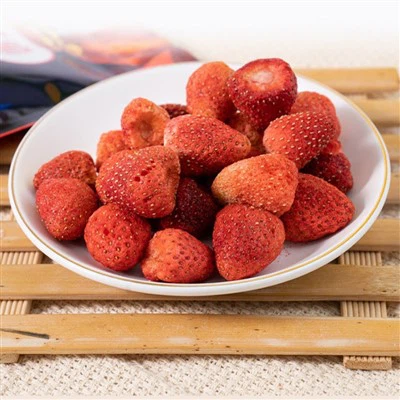
Freeze Dried Strawberry References
- Food and Agriculture Organization of the United Nations. (2021). Millet: A Critical Grain for Global Food Security. Rome: FAO.
- United States Department of Agriculture. (2022). Nutrient Data Laboratory: Millet, Whole Grain, Raw. Washington, DC: USDA.
- Johnson, A. et al. (2019). Gluten-Free Whole Grains: Nutritional Profile and Health Benefits. Journal of Nutrition and Metabolism.
Anhui Yicheng Import & Export Co., Ltd.
We’re well-known as one of the leading millet manufacturers and suppliers in China, specialized in providing high quality customized products. We warmly welcome you to wholesale bulk cheap millet from our factory. For free sample, contact us now.
Address: Room 301, Building 36, Changhong Century Rongting, Yaohai District, Hefei City, Anhui Province China
E-mail: shirley@yichengah.com
WebSite: https://www.yichengnuts.com/
