If you’re running a vacuum pump parts and consumables business, chances are you’ve got customers hitting you with the same question lately: “Why’s my vacuum pump sucking less, overheating, or making weird grinding noises?” Nine times out of ten, it’s the condenser—you know, that metal coil or plate sitting near the pump’s exhaust that’s supposed to cool and condense vapor from the pump’s operation. Over time, gunk from oils, dust, and process residues builds up there, and that’s when the whole system starts slacking. Let’s break this down like we would with a regular customer, no fancy jargon, just the step-by-step to get the condenser clean and your pump back to peak performance. Vacuum Pump Parts and Consumables

First, let’s make sure we’re on the same page about what the condenser actually does, because skipping this part leads to messing up the whole job. For most vacuum pumps—especially rotary vane, oil-sealed, and diaphragm models—the condenser traps hot vapor that would otherwise escape into your workspace or contaminate the pump’s oil. When that vapor cools, it turns back into liquid, which either drips into a catch basin or gets routed back to the process line. If that coil or plate is caked with grime, air can’t flow through it, so it can’t cool the vapor. That means your pump has to work way harder to pull a vacuum, which burns out oil faster, jacks up energy bills, and shortens the pump’s lifespan. And as someone who sells vacuum pump parts and consumables, I can tell you this: a dirty condenser is one of the top causes of repeat part replacements, so nailing this cleaning step saves your customers money and keeps them coming back.
Now, before you grab a rag and start scrubbing, safety is non-negotiable. I’ve seen way too many people skip these steps and end up with oil burns, inhalation issues, or even the pump kicking on unexpectedly. First, turn the pump off and unplug it—no exceptions. Let it cool down for at least 2 hours, too; touching a hot condenser coil is a quick way to ruin your gloves and your day. Next, disconnect any hoses or lines attached to the condenser, and if the pump has oil reservoirs, drain the old oil into a sealed container (you can sell your customers recyclable pump oil or filter replacements with the cleaning kit, by the way—nice cross-sell, right?). Also, work in a well-ventilated area, even if you’re using mild cleaners; some process residues can release fumes when disturbed.
Next, you’ll want to pick the right cleaning supplies, because not all cleaners are created equal for condensers. Using a harsh chemical like brake cleaner or industrial degreaser can eat away at the metal fins or plastic seals on some condensers, leading to leaks later. Stick to these: a soft-bristle brush (like a paintbrush with stiff but not scratchy bristles, or a specialty condenser brush we sell as a consumable), lint-free microfiber cloths, distilled water, a mild dish soap or pump-specific condenser cleaner (again, that’s a consumable we stock), and a low-pressure air compressor (or a can of compressed air for smaller units) to blow out loose gunk. Skip the steel wool or abrasive scouring pads—they’ll scratch the coil, making more places for grime to stick later.
Now the cleaning process, which breaks into two parts: the light, regular maintenance clean (for people who do this every 1-3 months, depending on use) and the deep clean (for condensers that have been neglected for longer, with thick buildup). Let’s start with the regular one, because this is what most of your customers should be doing to avoid the deep clean mess. First, use the compressed air or compressor to blow off loose dust, lint, and surface debris. Hold the compressor at a 45-degree angle to the fins—don’t point it straight on, because that can bend the fins, which messes with airflow later. If you bend a fin, you can gently straighten it with a small flathead screwdriver, but prevention is easier than fixing it. Next, mix a few drops of mild dish soap with warm distilled water, dip your microfiber cloth in the solution, wring it out so it’s damp (not dripping), and wipe down the condenser plates or coil, getting into all the nooks and crannies. For hard-to-reach spots between fins, use the soft bristle brush to work the suds loose. Rinse with a clean damp cloth, then dry completely with a separate microfiber cloth—any leftover moisture can cause rust on metal parts, which is a whole other repair you’ll have to handle later.
The deep clean is for when the condenser has thick, caked-on grime—like dried oil, process residues from food manufacturing, lab solvents, or even heavy dust from construction sites. For this, you’ll want to take the condenser off the pump if you can (most are held on with a few bolts, so your customers won’t need fancy tools). Soak it in a bucket of warm distilled water with a pump-specific condenser cleaner (follow the label instructions—most say 1 part cleaner to 10 parts water) for 15-30 minutes. That’ll loosen the gunk without scratching the metal. If the residue is super thick, you can gently agitate the condenser with your soft brush while it’s soaking—don’t scrub hard, you don’t want to bend or break the fins. After soaking, rinse it thoroughly with warm distilled water to get all the cleaner and residue off, then let it air dry completely for at least 4 hours before putting it back on the pump. If you’re in a hurry, you can use the compressed air on low pressure to speed up drying, but make sure every spot is dry—again, rust is the enemy here.
Wait, what about if your customer has a condenser that’s made of a different material? Like, some smaller pumps have plastic condensers? Don’t panic, the same rules apply—just make sure the cleaner you use is safe for plastic. Avoid any products with bleach or ammonia, because they can discolor or crack plastic over time. And for diaphragm pump condensers, which are usually smaller and more delicate, use even gentler pressure with the air compressor—those fins bend way easier than rotary vane pump ones, so take it slow.
Now, let’s talk about common mistakes people make when cleaning condensers, because these are the things that turn a simple job into a pump breakdown. First, using too high of air pressure. I’ve seen guys use a compressor set at 100 PSI and blow out half the fin coils on a condenser. Aim for 30-40 PSI max, or just use the canned air for small units. Second, not drying the condenser completely. I can’t tell you how many customers come to us with rusty condensers because they skipped this step—rust clogs fins and ruins airflow faster than the original grime. Third, using the wrong cleaner. We had one customer last month use oven cleaner on a rotary vane pump condenser and ended up with a leaky seal that cost them $200 to fix. Stick to pump-specific products, they’re made for this exact job. Fourth, waiting too long between cleanings. If your customer runs their pump 24/7, they should clean the condenser every 1 month. If it’s used for occasional lab work, every 6 months is fine—set a reminder on their phone, that’s a simple tip you can pass along.
Once the condenser is clean and dry, put it back on the pump, refill the oil, and test it. Run the pump for a few minutes and check for leaks, but if you did the job right, it should pull the same vacuum it did when it was new, and the energy use will drop too. For your customers, this is a quick win—they don’t have to drop hundreds on a new pump, just invest a 30-minute cleaning session every few months.
As a vacuum pump parts and consumables supplier, we don’t just sell you the parts you need when something breaks—we make sure you know how to keep your pump running. If your condenser is leaking beyond a simple clean, or you need replacement fins, seals, or the right cleaners, we’ve got you covered. We stock all the condenser-specific products, brushes, compressed air, and replacement parts you might need, so you don’t have to run around to different stores. Whether you’re a small business owner with one lab pump or a large factory with a whole fleet, we can hook you up with the right supplies at fair prices.
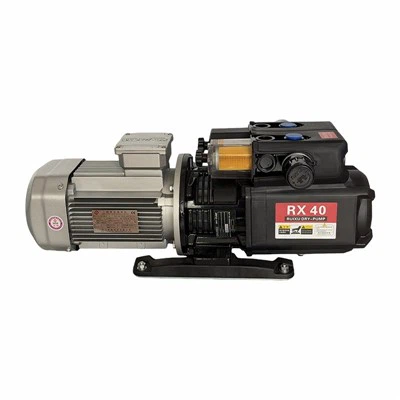
If you have questions about your specific vacuum pump model, need help picking the right cleaner, or want to order replacement parts, reach out to our team to connect for a purchase discussion. We’re here to make your vacuum pump maintenance easy, no confusing hoops to jump through.
General-purpose Vacuum Pump References
- Vacuum Pump Condenser Maintenance Guidelines, Industrial Vacuum Equipment Association, 2022
- Best Practices for Cleaning Vacuum Pump Components, Journal of Vacuum Science & Technology, 2021
- Consumable Parts for Rotary Vane Pumps, Vacuum Parts and Supplies Association, 2023
Wenzhou Ruixu Vacuum Equipment Co., Ltd.
As one of the most professional vacuum pump parts and consumables manufacturers and suppliers in China, we’re featured by quality products and low price. Please rest assured to wholesale cheap vacuum pump parts and consumables made in China here and get quotation from our factory. Customized orders are welcome.
Address: No. 8 Xingyang Road, Wanquan Industrial Park, Pingyang County, Wenzhou City, Zhejiang Province
E-mail: rx668@163.com
WebSite: https://www.ruixupump.com/
