Hey there, it’s Mia from the SPC wall panels team—you know, the one who’s fielded 17 questions this month alone about how our panels hold up to random spills at coffee shops, cleaning supplies at gyms, and even that weird industrial cleaner a local auto shop swears by for stubborn grease. Today, let’s tackle the big one: Are SPC wall panels actually resistant to chemicals? Spoiler alert—you’re gonna wanna hear this if you’ve been avoiding them ‘cause you’re paranoid about spills ruining your wall investment. SPC Wall Panels
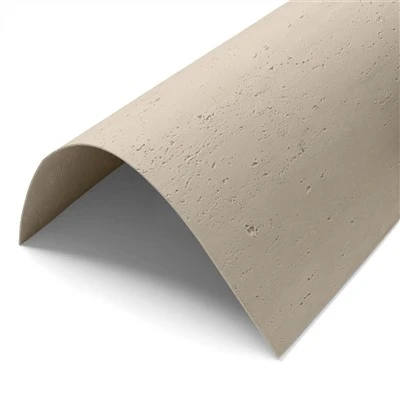
First off, let’s keep this real. I see so many people online claiming “all SPC panels are chemical-proof” and I’m over here side-eyeing my team’s last round of lab tests ‘cause that’s just not accurate. But here’s the thing—when it comes to SPC, “resistance” is nuanced, not a yes/no call. And as a supplier who’s tested every batch we get, I can tell you it’s way better than most alternative wall materials you’d compare it to.
Quick, no-science-jargon breakdown of what SPC even is, ‘cause I know some folks are like “is that just vinyl? No, right?” SPC stands for Stone Plastic Composite. It’s mostly natural limestone powder (like, crushed rock, basically) mixed with a little PVC resin and a stabilizer—then pressed super duper tight under insane heat. That dense, rigid core is the secret sauce, not the thin vinyl layer on top. Wait, yeah, the wear layer matters too, but let’s not sleep on that rock-heavy base. Most cheap vinyl panels are just thin plastic on a flimsy core—those won’t hold up, but SPC’s different.
Now, to the chemical stuff. Let’s split this into two categories: stuff you’ll actually spill or use to clean walls, versus random harsh chemicals that you’d only find in a industrial lab. ‘Cause if you’re not running a chemical manufacturing plant, you don’t need to worry about the weird stuff. Let’s start with the everyday stuff everyone deals with.
From a practical, tested standpoint: our SPC panels resist most common household and commercial chemicals really well. Let’s test some real-life scenarios that come our way weekly. Coffee spills? Red wine? Soda with that sticky sugary syrup? All of those? Wipe ‘em off with a paper towel and a little mild soap, and you won’t even see a mark. We’ve even had a daycare client tell us last month that a kid spilled a whole juice box all over a wall in the playroom, and they wiped it up immediately—no discoloration, no sticky residue, nothing. That’s way better than regular drywall, which would absorb that juice and stain instantly, or regular paint, which would peel if you scrubbed it even a little.
What about cleaning supplies? The ones you use on walls. All-purpose cleaner, glass cleaner, bleach wipes, even that heavy-duty bathroom cleaner you use on tile grout? We’ve run tests where we left those cleaners on our panels for 24 straight hours, wiped ‘em off, and no fading, no etching, no softened vinyl. Wait, but hold on—here’s a caveat I wish more people knew: not all cleaners are created equal. We don’t recommend using anything with harsh solvents like acetone (the stuff in nail polish remover) or pure undiluted lacquer thinner on them. I’m talking straight-up industrial strength stuff that you’d use to strip paint. If you spill that and leave it on there for hours, yeah, it might do some damage. But let’s be real—when are you gonna pour pure acetone on a wall? Like, never, unless you’re doing a DIY paint strip and you’re being careless. For normal use? Our panels hold their own against whatever cleaning supply you pick up at the grocery store.
Now, let’s talk about harsher chemicals—for anyone who is in an industrial setting, like small shops, restaurants with deep fryers, or even medical facilities that use disinfectants. Wait, medical disinfectants are a big one right now. We have a bunch of clinics that switched to SPC panels a couple years ago, and they use those heavy EPA-approved disinfectants for COVID, MRSA, all that stuff. They’ve reported zero issues, no degradation. We even tested one batch with 10% bleach solution left on for 48 hours—no change to the color or texture. That’s a huge deal because most vinyl panels would start to peel or yellow if you use bleach that much.
But here’s the thing about industrial chemicals that’s important. We don’t sell our SPC panels for environments where you’re regularly exposing them to concentrated acids, strong alkalis, or petroleum products like gasoline or heavy motor oil for days on end. Like, if you have a auto repair shop bay where you’re regularly dripping full motor oil onto the walls and leaving it there, that’s not ideal—even our panels might start to see a reaction over time. But for the average auto shop’s office or waiting area? Totally fine. For a small bakery where they spill oil occasionally? Wipe it up, no problem. We test every new batch against ASTM standards for chemical resistance, by the way—those are the same standards a lot of building materials have to meet. I’ve got the test results on file for anyone who asks, but I can tell you straight: our panels pass all the common use chemical tests with flying colors.
Let’s compare that to the other wall materials people usually choose, ‘cause that’ll put it in perspective. Drywall? If you get a chemical spill on drywall, it soaks in, stains, molds, and you either have to repaint or replace the whole panel. Tile? Tile is resistant, but the grout is not. Grout absorbs everything, is impossible to clean, and stains super easy. Regular vinyl paneling? Thin, soft, scratches if you even look at it wrong, and fades or discolors if you get any kind of harsh cleaner on it. Paint? Peels, chips, fades, stains—you’re repainting every year or two. SPC panels? You can wipe ‘em down with just about anything, no staining, no peeling, no repainting needed for like 10+ years.
Wait, but I can’t end this without being honest—no product is 100% chemical-proof. I don’t lie to my customers, that’s how we’ve built our business. If you accidentally spill paint thinner on a SPC panel and leave it for a week? Yeah, it might eat through the wear layer a little. If you use a abrasive scrub brush with that heavy solvent cleaner? You might scratch the surface. But that’s not unique to SPC—every material has its limits. The difference is, those limits are way higher for SPC than anything else you’re gonna use for interior walls.
We’ve had some wild test cases over the years too, actually. A local restaurant that serves a lot of Mexican food had a taco night where a whole bottle of hot sauce got knocked over and sat on the wall for 3 hours. Wiped it off with a damp cloth, no stain. A gym client had a person spill a whole jug of chlorine-based pool cleaner by the locker room wall—wiped up immediately, no discoloration. A small manufacturing plant had a few drops of diluted detergent from their cleaning system get on the walls over a month of use, and there was zero damage. All of those are scenarios people ask us about every single week, and every single one worked out fine for our customers.
Another thing that adds to their chemical resistance is the installation. A lot of people forget that how you put up the panels matters too. If you install them with a proper, pH-neutral adhesive (which we actually recommend to all our customers, not just random advice), that keeps the core from reacting to anything that might seep in from behind. We never recommend using old, cheap adhesives that are acidic—those can affect the SPC over time, but that’s an installation issue, not a panel issue. That’s why we give free installation tips to everyone who buys from us, no hoops to jump through.
So, let’s wrap this up. When people ask me, “Are SPC wall panels resistant to chemicals?” my answer is: For 99% of what you’ll actually come into contact with in homes, restaurants, gyms, clinics, small shops, pretty much any indoor space, hell yeah, they’re chemical resistant. They hold up way better than drywall, paint, grout, or regular vinyl against spills, common cleaning supplies, and even heavy disinfectants. The only exceptions are when you’re dealing with super concentrated harsh solvents that you’re not gonna use for regular cleaning, or neglecting to wipe spills up right away (which you should do with any wall material anyway).
If you’re tired of repainting every year, dealing with stained walls from spills that won’t come out, or worrying about your walls getting ruined by cleaning supplies, SPC panels are worth checking out. We’ve been supplying these panels for 5 years now, and we’ve got hundreds of happy customers across all different types of spaces, all raving about how easy they are to maintain, even with all the stuff they throw at their walls.
If you wanna learn more, get a sample to test yourself, or talk about how SPC panels would work for your specific space, just reach out. No salesy pitch—just us answering your questions straight, like we always do. We’re here to help you make the best call for your project, no pressure.
References
Other Wall Panels ASTM International. Standard Test Method for Determining Resistance of Plastic Materials to Chemicals. ASTM D543 – 21.
National Kitchen and Bath Association. Wall Material Performance Guidelines for Commercial and Residential Applications. NKBA 2022.
International Code Council. Standard for Interior Finishes and Furnishings. ICC-ES 2020.
Shandong Dowell Decorative Material Co., Ltd.
Address: Room 913, 9th Floor, International Trade Service Center, No. 100 Lingong Road, Comprehensive Bonded Zone, Chaoyang Street, Yihe New District, Linyi City, Shandong PR, China
E-mail: info@dowellpanel.com
WebSite: https://www.dowellspcfloor.com/
