Hey there! As a supplier of filter inductors, I get asked a ton of questions about where our products can be used. One question that comes up quite often is whether a filter inductor can be used in medical devices. Well, let’s dig into this topic and see what the deal is. Filter Inductor
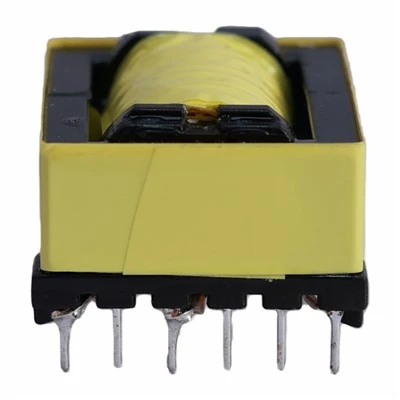
First off, what the heck is a filter inductor? In simple terms, a filter inductor is an electrical component that’s used to filter out unwanted frequencies or signals in an electrical circuit. It works by storing energy in a magnetic field when current flows through it, and then releasing that energy when the current changes. This helps in reducing noise and interference, which is super important in many electronic systems.
Now, let’s talk about medical devices. Medical devices are all around us, from the simple thermometers we use at home to the high – tech MRI machines in hospitals. These devices need to be extremely reliable and accurate because they are used for diagnosing, treating, and monitoring patients’ health. The performance of these devices can be affected by electrical noise and interference, which can lead to inaccurate readings or even malfunctions. That’s where filter inductors come in.
One of the main areas where filter inductors can be used in medical devices is in power supplies. Most medical devices require a stable and clean power supply to function properly. The power grid can be a source of all sorts of electrical noise, like voltage spikes, harmonic distortions, and electromagnetic interference (EMI). A filter inductor can be used in the power supply circuit to smooth out the current and filter out these unwanted disturbances. For example, in a patient monitor that continuously tracks vital signs such as heart rate, blood pressure, and oxygen levels, a stable power supply is crucial. If there’s too much noise in the power supply, it could cause false readings, which could have serious consequences for the patient.
Another application is in data transmission within medical devices. Many modern medical devices are connected to networks or other systems for data sharing and remote monitoring. When data is being transmitted, it can be corrupted by electromagnetic interference. Filter inductors can be used to protect the data lines from EMI, ensuring that the information being sent and received is accurate. Take, for example, a wireless insulin pump that communicates with a smartphone app to manage a patient’s diabetes. Any interference in the data transmission could lead to incorrect insulin dosing, which is a very serious issue.
In imaging devices, like X – ray machines and CT scanners, filter inductors play a vital role too. These devices generate and detect high – energy electromagnetic waves to create images of the inside of the body. The electrical circuits in these devices are very sensitive to noise. A filter inductor helps in keeping the electrical signals clean, which improves the quality of the images produced. You wouldn’t want a fuzzy or distorted X – ray image when trying to diagnose a broken bone, right?
However, using filter inductors in medical devices isn’t without its challenges. Medical devices are subject to strict regulatory requirements. These requirements are in place to ensure the safety and effectiveness of the devices. When a filter inductor is used in a medical device, it needs to meet these regulations. For example, it has to be able to withstand certain levels of electrical stress, temperature variations, and humidity without failing. It also needs to be made from materials that are biocompatible if it comes into contact with the patient’s body.
In addition, the design of the filter inductor needs to be carefully optimized for the specific medical device. Different medical devices have different electrical characteristics and requirements. For instance, a small, portable medical device like a glucometer will have different space and power consumption constraints compared to a large, stationary MRI machine. So, the filter inductor has to be designed to fit these unique requirements.
We, as a filter inductor supplier, understand these challenges very well. We have a team of experienced engineers who are well – versed in the medical device industry. They know what it takes to design and manufacture filter inductors that meet the strict regulatory standards. We use high – quality materials and advanced manufacturing processes to ensure the reliability and performance of our products.
We also offer customization services. If you have a specific medical device in mind and need a filter inductor that’s tailored to its unique requirements, we can work with you to develop a custom solution. Whether it’s a matter of size, power rating, or frequency response, we can make it happen.
So, to answer the question, yes, a filter inductor can definitely be used in medical devices. Not only can it be used, but it’s also essential in many cases to ensure the proper functioning of these life – saving and life – improving devices.
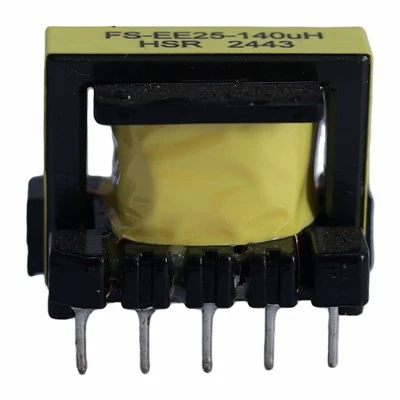
If you’re in the medical device industry and are looking for a reliable filter inductor supplier, we’d love to have a chat with you. Our team is ready to discuss your needs, provide technical support, and offer the right solutions for your medical devices. Don’t hesitate to reach out to us. We’re here to help you take your medical devices to the next level.
Power Inductor References:
- "Medical Device Power Supplies: Design and Development" by David W. Green
- "Electromagnetic Interference in Medical Electronics" by John C. Schell and Raymond C. Buser
Dongguan Hensiron Electric Co., Ltd.
As one of the most professional filter inductor suppliers in China, we have world-leading production equipment and strong manufacturing capabilities. Please feel free to buy high quality filter inductor made in China here from our factory. Customized orders are welcome.
Address: Building 4, Xinxing Industrial Zone, Wangao Road, Wanjiang Street, Dongguan City, China
E-mail: jessica@dghensiron.com
WebSite: https://www.dghensiron.com/
