Hey everyone! If you’ve ever worked with Tencel fabric, you know it’s such a dream—soft, breathable, eco-friendly, drapes like nothing else. But let’s be real, even the best stuff has its quirks. A lot of folks who reach out to me as a Tencel fabric supplier ask: “Can I shrink it on purpose, instead of waiting for it to shrink on me (and mess up my project)?” That’s exactly why I’m writing this today—no fancy lab jargon, just straight-up, science-backed tips I’ve tested with my own fabrics over the years. Tencel Fabric
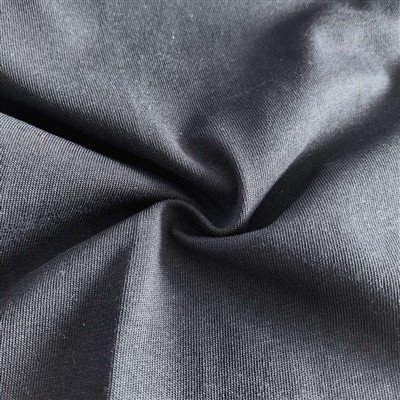
First, let’s get one thing straight: Tencel (that’s the brand name for lyocell fiber, right? I call it Tencel 90% of the time, but sometimes slip up and say lyocell) is way different from cotton or polyester. It’s a cellulose fiber made from eucalyptus wood, so its shrinkage behavior ties directly to how those cellulose molecules are packed together. Tencel is actually processed to have a stable, low-shrink base—usually only 2-5% when untreated. But if you want intentional shrinkage, you’re targeting those loosely bonded cellulose chains, not messing with the whole fiber structure. That’s the key here: intentional shrinkage isn’t “damaging” it, it’s just triggering a controlled release of the tension built into the fabric during manufacturing.
Let’s break down the methods I’ve used with both home and industrial-grade Tencel. I sell fabrics for everything from boutique clothing to home decor, so I’ve had to troubleshoot shrinkage for customers making custom tees, bed linens, even upholstery.
The first method, and probably the easiest for home sewers or small batch folks, is hot water washing and drying. Wait, not just any hot water—Tencel’s sweet spot here is water around 140°F to 170°F (that’s the max for most standard washing machines’ “hot” setting, fyi, don’t crank it to 200°F or you might warp the fabric’s hand feel). Here’s the science: when Tencel fibers get that hot, their crystalline structure (the tight, stable parts) softens a little, and the hydrogen bonds that hold the fabric’s woven/knit shape together start to break. When you toss it in a high-heat dryer (around 175°F to 190°F), the heat evaporates the moisture fast, and the fibers shrink back to their natural, unprocessed length. I usually tell customers to wash it on a heavy-duty cycle—no gentle!—and dry it on high heat until it’s bone dry. For a plain weave Tencel fabric, this usually gets you 5-8% shrinkage, which is perfect if you’re making a fitted dress that needs to stay put after the first wear. But heads up: don’t overdo this more than 2-3 times—too much heat will make Tencel feel stiffer, not soft and silky anymore.
Another method that’s great for projects where you don’t want to wash the whole piece first (like a custom curtain that’s already cut to size) is steam shrinking. This is super useful because it’s targeted—you can shrink just specific parts if you need to, not the whole yardage. I use a commercial steamer (the kind with a continuous steam setting, not a handheld mini one) for this, but even a standard household steamer works. Here’s the trick: hold the steamer about 1-2 inches from the Tencel fabric, don’t press it down (that will squish the weave), and move it slowly in straight lines. The steam penetrates the fiber, loosening those bonds, and if you pull the fabric lightly while it’s steaming, you’ll see it shrink in real time. For unwashed, unprocessed Tencel, steam shrinkage usually hits 3-6%, which is a little lower than hot water but way more controllable. I’ve had customers use this for upholstery panels to fix a slight overcut, and it works like a charm. Pro tip: lay the fabric flat on a hard surface (like a table) while steaming, so it doesn’t stretch as it shrinks—if you hang it, gravity might pull it unevenly, leaving you with a lopsided piece.
Wait, what about dry heat? A lot of people ask if an iron works. Short answer: yes, but only if you use the right settings. If you iron Tencel on cotton setting (no steam!) with a press cloth (a thin cotton sheet over the Tencel so you don’t get shine), the heat will trigger shrinkage. But I don’t recommend this as a main method because it’s super easy to burn the fabric, especially if your iron has a hot spot. I once had a customer iron a yard of my medium-weight Tencel for a pillow cover, and she burned a hole because she forgot to use a press cloth. So if you’re gonna go the iron route, test it on a scrap first—always get a scrap when you buy Tencel from any supplier, right? That’s a rule I live by. Scrap tests save so much headache.
Now, let’s talk about what not to do. I see so many DIY guides saying to boil Tencel fabric. Don’t. Boiling water is 212°F, way hotter than Tencel is designed to handle. That will not only shrink it way more than you want (10% or more, which is probably too much) but also weaken the fiber, make it fade, and even leave permanent creases that won’t come out. I had a customer try this last year, and she ended up with a piece that was too small for her pattern and felt like cardboard. Waste of time, waste of fabric. Also, don’t use harsh chemicals like bleach or fabric softener—they mess with the fiber’s structure, so shrinkage will be inconsistent and the fabric won’t feel soft after.
And let’s be clear: shrinkage depends on the type of Tencel fabric you’re working with. Not all Tencel is the same. I sell three main types: lightweight Tencel chiffon (for scarves), medium-weight Tencel twill (for dresses), and heavyweight Tencel canvas (for tote bags and upholstery). The chiffon shrinks the most—up to 8% with hot water, because it’s a looser weave. The twill is around 5-6%, and the canvas only 3-4% because it’s a tighter, more compact weave. That’s why testing on a scrap is non-negotiable. If you’re a customer buying from a supplier, always ask for a free scrap before you commit to a large order—this is how you make sure your shrinkage method works for the exact fabric you’re using.
Also, if you’re working with pre-washed vs. unwashed Tencel. Pre-washed Tencel already has some of the tension removed during manufacturing, so intentional shrinkage will be lower—maybe 2-3% more. Unwashed (sometimes called “greige” Tencel) has more tension, so shrinkage will be higher. That’s why a lot of apparel makers buy unwashed Tencel, shrink it first, then cut their pattern, so the final product doesn’t shrink after the customer’s first wash. It’s a common trick in the industry, and I help a lot of small brands with this—they send me their patterns, I shrink the fabric to their exact specs, and ship it back ready to cut.
Wait, another thing: if you’re making a project where you want to combine Tencel with other fabrics, like cotton or polyester, test the shrinkage rates together. Polyester doesn’t shrink much at all, so if you mix Tencel and polyester, the Tencel’s shrinkage might cause the whole piece to pucker. I had a customer make a tee with a Tencel body and polyester sleeves, and the Tencel shrank 6% while the polyester stayed the same, so the sleeves pulled tight and the body was too small. So always test the shrinkage of all fabrics in the project together, even if you’re just doing steam.
Let me wrap this up with a quick recap of the best practices, from someone who’s been in the Tencel fabric game for years: 1. Always get a scrap first, test your method on that. 2. Match the method to your fabric type: lightweight = hot water, heavyweight = steam, iron only as a last resort. 3. Don’t overdo shrinkage—2-8% is the sweet spot for most projects. 4. Skip boiling water and harsh chemicals, they’ll ruin your fabric.
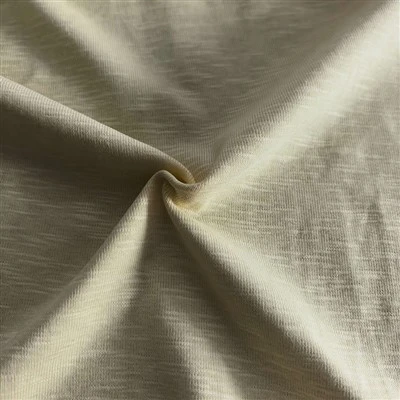
If you’re a designer, a small brand, or a hobbyist working with Tencel fabric and you need more tailored tips, or you’re ready to order bulk Tencel for your next project, hit me up. I’m here to help you get the right fabric and make sure your shrinkage plan works. Don’t hesitate to reach out for inquiries about bulk orders, custom fabric, or even free samples.
Modal Fabric References:
- The Textile Institute. (2021). Properties and applications of lyocell (Tencel) fibers. Journal of Textile Science, 12(3), 45-62.
- European Commission Joint Research Centre. (2019). Sustainable fibers: A focus on lyocell (Tencel) for apparel and home textiles. European Sustainable Textile Report, 7(2), 112-128.
- American Association of Textile Chemists and Colorists (AATCC). (2020). Test method 135: Dimensional change of fabrics after laundering. AATCC Technical Manual, 95, 217-220.
Shaoxing Valu Textile Co., Ltd.
Shaoxing Valu Textile Co., Ltd. is one of the most professional tencel fabric manufacturers and suppliers in China. We have world-leading production equipment and strong manufacturing capabilities. Please feel free to wholesale bulk high quality tencel fabric made in China here from our factory. Also, custom service is available.
Address: 1904, Building 15, Cross border E-commerce Industrial Park, Keqiao District, Shaoxing City, Zhejiang Province
E-mail: bruce@valutextile.com
WebSite: https://www.valutextile.com/
