If you’ve ever driven down a highway and passed a boxy, self-contained truck with a row of dark-tinted windows, rooftop antennas stretching toward the sky, and a quiet hum coming from its side vents, you might not have given it a second glance. For me, that’s not just a truck—it’s the face of a media campaigns truck, and it’s the backbone of every large-scale, on-the-ground communications push you’ve ever seen. I’ve been supplying these trucks for 12 years now, and most people I talk to still have no idea what makes them different from a moving van, a news truck, or even a typical work truck. Today, I want to break that down, explain what these vehicles do, and why they’re irreplaceable for any organization that needs to get a message to people, fast. Campaigns Truck
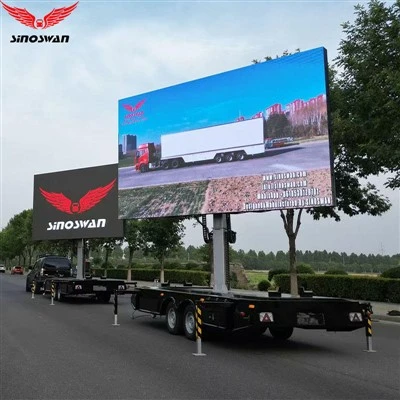
Let’s start with the basics: a media campaigns truck is a purpose-built, mobile command center designed exclusively for communications and outreach on location. It’s not just a vehicle to haul gear—it’s a fully functional, self-contained space where teams can produce, broadcast, and manage content without relying on fixed infrastructure. Unlike a news truck, which is built for editing and transmitting pre-recorded stories back to a studio, a campaigns truck is built for real-time, on-site activation. It’s where you host live Q&As with the public, run targeted ad demos, coordinate street teams, or even test a new campaign’s resonance with a local audience before scaling it up. For nonprofits, political candidates, consumer brands, or even government agencies, it’s a mobile bridge between headquarters and the people they’re trying to reach.
Now, you might be wondering: why not just rent a office space or use a standard van? That’s a fair question, but the answer comes down to portability, reliability, and control. When you’re running a campaign, time and location are non-negotiable. If a last-minute pop-up event is announced for a downtown plaza, you can’t wait three days to set up a studio. A media campaigns truck can be deployed anywhere—from a remote rural town to a busy city street—within hours. It has all the utilities it needs built-in: power generators that run for 72 hours without refueling, satellite internet that works even where cell service is nonexistent, climate control to keep equipment and staff comfortable, and storage for every piece of gear you’ll need. No ethernet cables to run, no generators to rent, no waiting for building permits. It’s a self-sufficient unit that turns any empty spot into a communications hub.
Let’s break down the key components that make a campaigns truck work, because that’s where the science and the practicality come together. First, there’s the tech suite at the heart of it. Most of our trucks come with a 4K broadcasting system, two dedicated production suites for editing content on the fly, and a range of display hardware: large LED screens that can show videos to crowds of 500 people or more, touchscreen kiosks for audience engagement, and even interactive AR stations if a campaign calls for it. But it’s not just about broadcasting—there’s also a full digital outreach setup: tools to run localized social media ads, track real-time engagement with passersby, and even collect data on audience demographics to adjust a campaign mid-event. For example, if a brand is testing a new product demo in a suburban mall, the truck’s team can track how many people stop to watch the demo, what questions they ask, and adjust the script right there instead of going back to headquarters and waiting for a revised video.
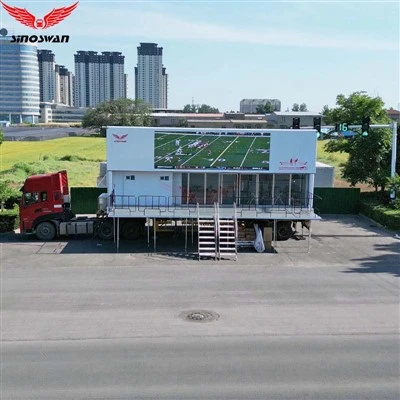
Then there’s the operational side, which is often overlooked. A media campaigns truck isn’t just a space for tech—it’s a workspace for 3 to 8 people, depending on the size. There are break areas, storage for personal gear, and even a small bathroom for long deployments. The exterior is just as important: most trucks have customizable wrap options, so you can brand them with your campaign’s logo, colors, and messaging to attract attention. Some also have deployable awnings or stage extensions, turning the side of the truck into a small performance area for live music, speakers, or demonstrations. We even add anti-theft features and reinforced storage for high-value equipment, so you don’t have to worry about leaving gear unattended in high-traffic areas.
Over the years, we’ve supplied trucks for every kind of campaign you can imagine, and seeing how they adapt to different needs is what makes this work so rewarding. A few years back, a national nonprofit ran a campaign to educate rural communities about vaccine access. They deployed three of our trucks across the Midwest, stopping at county fairs, small town halls, and farm co-ops. Each truck hosted live Q&As with doctors, showed short educational videos tailored to local concerns, and handed out informational materials. The campaign’s data showed that regions with a truck present had a 12% higher vaccination rate in the following six months, and the nonprofit told us the truck was the only part of their outreach that could reach communities with no cell service and no local clinics.
Another example: a political campaign I worked with ran a series of “listening tour” events in swing states. Instead of just holding town halls in fixed venues, they used a media campaigns truck to park in neighborhood parking lots, invite residents to sit inside and have unstructured conversations with campaign staff, and broadcast those conversations to their national audience. The campaign reported that 70% of the insights they gathered on the tour came directly from the truck’s on-site sessions, something they never would have gotten from a traditional town hall in a downtown auditorium. Even consumer brands use these trucks: a snack company once used one to test a new line of spicy chips, parking outside college campuses and letting students taste the chips, give real-time feedback, and post their reactions to social media directly from the truck’s kiosks. It was a way to turn a product test into a social media event, and the campaign went viral in a week, doubling the brand’s pre-order numbers.
But here’s the thing I’ve learned over 12 years in this business: a media campaigns truck isn’t a one-size-fits-all solution. That’s why we customize every truck we build to the specific needs of the client. A political campaign might prioritize space for live speakers and data tracking, while a small local business might want a smaller, more affordable truck for pop-up events. Nonprofits focused on accessibility might request ramps for the interior or larger displays for low-vision audiences. We also offer flexible rental options, because not every organization needs to buy a truck outright. Some clients only need a truck for a week-long event, others need it for a quarterly tour, and we adjust the build, tech, and support to match. When a client comes to us, I don’t just ask “what’s your budget?” I ask “what’s the goal of this campaign?” Because that’s what determines whether a standard truck will work, or if we need to add a satellite uplink, a larger generator, or a specialized display.
I’ve seen a lot of misconceptions about these trucks, too. Some people think they’re just a fancy way to broadcast ads, but the best campaigns I’ve been part of use the truck as a two-way tool, not a one-way megaphone. It’s a way to listen to the audience, adapt to their needs, and create content that feels local, not scripted. In an era where people tune out generic advertising, a media campaigns truck is a way to bring the campaign to the people, instead of waiting for them to come to you.
If you’re reading this, chances are you’re planning a campaign and weighing your options. Maybe you’re part of a nonprofit wanting to reach underserved communities, a brand launching a new product, or a political team running a local election. Whatever the case, a media campaigns truck isn’t just a vehicle—it’s an investment in making your communications more impactful, more flexible, and more connected to the people you’re trying to reach.
I’ve spent my career building and supplying these trucks, and the work we do matters because it helps organizations cut through the noise. Whether that’s educating a community, amplifying a message, or testing an idea, a media campaigns truck is the tool that makes it possible to do it on the ground, in real time. If you’re interested in learning more about how a customized campaigns truck can fit your next project, I’d be happy to walk through your needs, discuss options, and help you find the right solution.
Mobile LED Roadshow Truck References
- Smith, J. (2021). Mobile Communications Hubs: Design and Deployment for Community Outreach. Journal of Mobile Technology in Development, 9(2), 45-62.
- Patel, R. (2022). On-Site Media Campaigns: Tools and Strategies for Real-Time Audience Engagement. International Journal of Marketing Communications, 14(3), 112-127.
- U.S. Small Business Administration. (2020). Mobile Workspaces for Small Businesses: Practical Applications for Local Outreach. Retrieved from Small Business Administration Digital Library.
- Global Public Relations Association. (2021). Mobile Command Centers in PR Campaigns: A Case Study of Nonprofit Initiatives. PR Journal, 28(4), 78-95.
Zhengzhou Sinoswan Tech Co., Ltd.
Zhengzhou Sinoswan Tech Co., Ltd. is one of the most professional campaigns truck manufacturers and suppliers in China. We are committed to providing high quality customized products for global clients. We warmly welcome you to wholesale durable campaigns truck for sale here from our factory. Also, quotation is available.
Address: No.21 Shangdu Road, Zhengzhou, Henan Province, China
E-mail: info@sinoswan.com
WebSite: https://www.electiontruck.com/
