If you’ve ever shopped for self-priming pumps—or relied on one for critical tasks like agricultural irrigation, municipal water transfer, or industrial fluid handling—you’ve probably wondered: how long should these workhorses last? As a self-priming pump supplier, I’ve fielded this question hundreds of times, and the answer isn’t a one-size-fits-all number. A typical self-priming pump’s lifespan depends on far more than just the product itself—it ties to how it’s installed, maintained, operated, and even the environment it works in. Let’s break this down, based on years of working with pumps in real-world applications, to give you a clear, honest picture. Self-priming Pump
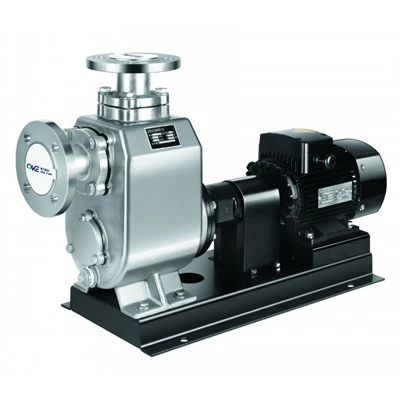
First, let’s define what a “typical” self-priming pump even is. Unlike standard centrifugal pumps that require priming before every use, self-priming models have a built-in chamber that traps a small volume of fluid (usually water or the process fluid) to create a vacuum when the pump starts, pulling fluid from a dry line without manual priming. This design makes them versatile for jobs where dry starts are common—like draining flooded basements, moving wastewater with entrained air, or pumping from open bodies of water.
So, what’s the baseline lifespan? For most commercial and light industrial self-priming pumps, the average is 7 to 15 years. But that’s just the average. I’ve seen pumps that run reliably for over 20 years with proper care, and others that fail in 2 to 3 years because of avoidable mistakes. The difference comes down to five key factors: operating conditions, installation quality, maintenance, load consistency, and the pump’s build quality (which, as a supplier, I can tell you is not all created equal).
Let’s start with operating conditions, because this is the biggest driver of wear and tear. Self-priming pumps work in all kinds of environments, and abrasive or corrosive materials will eat away at internal components faster. For example, a pump used to pump clean, well water at a steady rate for farm irrigation will last far longer than one used to siphon construction site water full of sand, silt, and small debris. Those abrasive particles act like sandpaper on the impeller, the volute (the chamber that moves fluid), and the shaft seals. If a pump is running dirty water with no filtration, impeller wear can cut its lifespan in half—from 10 years to 5.
Corrosive fluids are another issue. Wastewater with chemicals, or industrial fluids like acids or alkalis, will degrade cast iron or standard steel parts over time. A pump with a cast iron casing might only last 5 years pumping mildly acidic wastewater, but a model with a stainless steel or thermoplastic casing could last twice as long. That’s why it’s critical to match a pump’s materials to the fluid it’s handling—something a good supplier will emphasize before you buy, not after you’ve installed it.
Another operating condition to watch: how often the pump starts and stops. Self-priming pumps are often used in variable applications, like on-demand water systems or drainage pumps. Frequent cycling (starting and stopping multiple times an hour) puts stress on the motor, the starter capacitor, and the check valve that keeps the priming fluid in the pump. A pump that starts 10 times an hour will wear out those components much faster than one that runs continuously for 8 hours at a time, pausing only once or twice a day. That’s why for high-cycling applications, we often recommend models with heavy-duty motors and reinforced check valves—small upgrades that add years to the pump’s life.
Next, installation quality. Even the best pump in the world will fail prematurely if it’s installed wrong. I’ve seen this happen so many times: a customer buys a pump, installs it too far above the fluid source (exceeding the manufacturer’s maximum suction lift), or doesn’t properly align the motor and pump shaft. Misalignment causes unnecessary vibration, which wears out shaft seals and bearings within a year or two. Installing a pump with loose pipe connections that leak air is another common mistake—self-priming pumps rely on a tight vacuum to pull fluid; even a small air leak means the pump has to work harder, overheating and wearing out faster.
Proper priming is also part of installation. Some self-priming pumps require you to prime them manually the first time, or after a long period of inactivity. If you skip that step, the pump will run dry on its initial start, which can overheat the mechanical seal in just a few minutes—seals are delicate, and dry running is one of the fastest ways to kill a pump. I once had a customer who called us in a panic because his new irrigation pump had stopped working; he’d forgotten to pour water into the priming chamber when he installed it, and the seal had melted solid, requiring a full replacement at a fraction of the pump’s cost.
Maintenance is the next big factor, and it’s the one most people overlook. A self-priming pump isn’t a set-it-and-forget-it machine. Regular maintenance can extend its lifespan by 50% or more. Let’s list the key maintenance tasks:
First, check the priming reservoir. Most self-priming pumps need that small volume of fluid to stay in the chamber. Every few months, you should top it off (or check for leaks) to make sure it’s not dried out. If the reservoir runs dry, you’ll have to re-prime the pump manually, and repeated dry starts will damage components over time.
Second, inspect and replace mechanical seals and gaskets as needed. Seals are the first line of defense against leaks, and they wear out over time—usually every 2 to 5 years, depending on usage. A small leak from a seal might seem minor, but it can let air into the system or cause the pump to lose pressure, leading to overheating and motor damage. Catching a seal leak early is way cheaper than replacing the entire pump.
Third, clean or replace the strainer or intake filter. If your pump takes in dirty water, a clogged strainer forces the pump to work harder, increasing wear on the impeller and motor. For agricultural pumps, we recommend checking the strainer every irrigation season; for industrial pumps, it should be inspected monthly, depending on how much debris is in the fluid.
Fourth, lubricate bearings and shafts. Most self-priming pumps have sealed bearings, but some older or heavy-duty models require periodic lubrication with grease. Skipping this step can lead to bearing failure, which can cause the pump to seize up completely.
Fifth, test the motor regularly. The motor is the heart of the pump, and issues like overheating, voltage fluctuations, or worn brushes will shorten its lifespan. A quick voltage check with a multimeter every quarter, and cleaning dust and debris from the motor housing, can prevent motor burnout.
Now, what about load consistency? If a pump is always running at or near its maximum capacity, it will wear out faster than one that’s only operating at 60-80% of its rated flow. That’s called “operating at best efficiency point (BEP),” and pumps are designed to run most efficiently there. If you have a pump that’s too small for the job, it’ll strain to move enough fluid, causing impeller cavitation (bubbles that form and collapse on the impeller, pitting it over time). Cavitation is a silent killer—you might not notice it until the impeller is significantly damaged, and it cuts lifespan by 30% or more. On the flip side, a pump that’s too big and runs at low load most of the time can also have issues; low flow can cause fluid to recirculate inside the pump, leading to overheating in the casing. That’s why it’s important to match the pump’s size to your specific application, not just buy the cheapest or largest option.
As a supplier, I also have to talk about build quality, because it’s a factor you can control when purchasing. Not all self-priming pumps are made equal. Entry-level pumps, often made with thin cast iron or plastic components, are great for light, occasional use—like a small garden pump or a residential sump pump. But they tend to have a shorter lifespan, usually 5 to 8 years, because their internal parts are designed for lower stress. Mid-range pumps, with thicker cast iron casings, reinforced impellers, and higher-grade mechanical seals, are built for regular commercial use, with a lifespan of 10 to 15 years. Heavy-duty industrial self-priming pumps, made with stainless steel or cast steel, oversized motors, and heavy-duty bearings, can last 15 to 25 years with proper maintenance.
I’ve seen this firsthand. Last year, a customer brought in an old self-priming pump that had been used to drain a fish pond for 18 years. It was an entry-level model, but he’d maintained it religiously—changed the seal every 3 years, checked the strainer after every use, and never ran it dry. The impeller was slightly worn, but the motor and shaft were still in perfect shape; we just replaced the seal and a small part, and it ran another 3 years before he retired it. On the other end, a construction company bought a dozen cheap entry-level pumps for site dewatering; most of them failed in 2 years because of sand abrasion and frequent starts, even though they’d been installed correctly.
Now, let’s address some common myths about self-priming pump lifespan. A lot of people think that “self-priming” means you never have to do anything to the pump—but that’s not true. The self-priming function handles the initial priming, but it doesn’t eliminate the need for regular maintenance. Others think that all pumps of the same brand will last the same, but as I said, the application is far more important. A pump used to pump clean water at a steady rate will outlast the same model used to pump dirty water with frequent starts, even if it’s the exact same make and model.
So, what can you do to maximize your self-priming pump’s lifespan? Let’s wrap this up with actionable steps:
- Match the pump to your application: Don’t buy a residential pump for industrial use, or a light-duty pump for abrasive fluids. Talk to a supplier about your fluid type, flow rate, lift height, and usage frequency to get the right model.
- Install it correctly: Follow the manufacturer’s guidelines for suction lift, alignment, and priming. If you’re not comfortable with installation, hire a licensed pump installer to avoid mistakes.
- Stick to a maintenance schedule: Even for light-use pumps, a quarterly check of the priming reservoir, strainer, and seal will pay off. For heavy-use pumps, monthly inspections and annual servicing are essential.
- Avoid dry running: Never run the pump without fluid, and make sure the priming chamber is full. If your pump will be idle for a long time, drain the fluid to prevent corrosion.
- Operate it at its best efficiency point: Don’t force the pump to run at a flow rate it’s not designed for. If your needs change, consider upgrading or adding a variable speed drive to adjust flow.
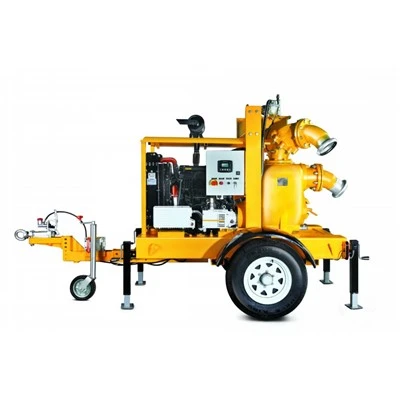
If you’re in the market for a new self-priming pump, or you have an existing one that’s not performing as it should, don’t guess about its lifespan or the right model for your job. Reach out to us to discuss your specific needs, and we’ll help you choose a pump that’s built to last for your application, plus share a maintenance plan to keep it running for years to come.
Plastic Swimming Pool Pumps REFERENCES
- Hydraulic Institute. (2020). Pump Lifespan and Reliability Guidelines. ANSI/HI 9.6.7-2020.
- Pump Industry Analysis Report: Self-Priming Pumps. (2022). Global Industry Analysts Inc.
- Singh, R. (2019). “Factors Affecting Centrifugal Pump Lifespan” in Journal of Fluid Machinery and Systems. Vol. 12, No. 3, pp. 145-152.
- USDA Agricultural Research Service. (2021). Maintenance Best Practices for Agricultural Pump Systems. USDA ARS Technical Bulletin 1908.
Hangzhou Nanfang Ouke Pump Industry Co., Ltd.
As one of the most experienced self-priming pump manufacturers in China, we have world-leading production equipment and strong manufacturing capabilities. Please feel free to wholesale bulk customized self-priming pump from our factory. Welcome to contact us for pricelist.
Address: No.46, Renhe Subdistrict, Yuhang District, Hangzhou City
E-mail: Gy656169@outlook.com
WebSite: https://www.oukegroup.com/
