If you’ve ever grabbed a hot coffee to go, a cold smoothie for lunch, or a kids’ meal drink from a café, fast-food chain, or event venue, that cup in your hand didn’t just show up on a shelf—it went through a long list of commercial food service requirements before it ever reached you. As a cup paper supplier who works closely with cafes, caterers, and restaurant operators every day, I can tell you that these rules aren’t just red tape; they exist to keep customers safe, protect brand reputation, and make sure your business runs smoothly without avoidable headaches. Cup Paper
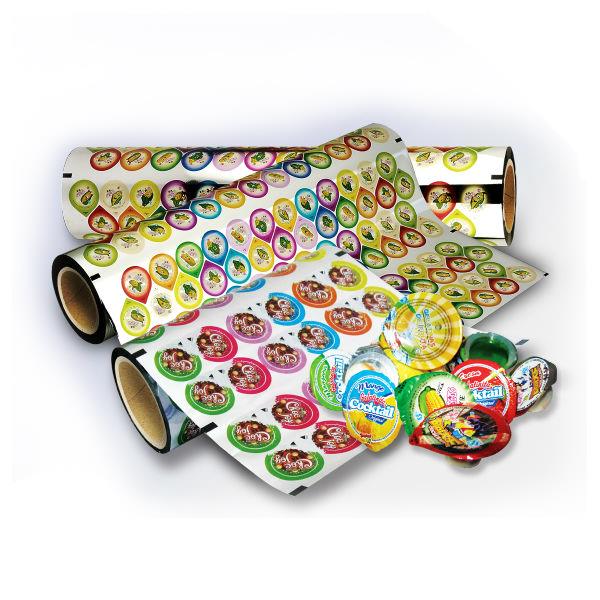
First and foremost, there’s food safety compliance, and that’s non-negotiable. Commercial food service cup paper isn’t just regular paper—it has to meet strict standards for materials that come into direct contact with food or beverages. In the U.S., that means adhering to FDA regulations, specifically the Code of Federal Regulations (CFR) Title 21, which sets limits on harmful substances that can leach into food or drinks. For example, if you’re serving hot coffee, the paper can’t have any coatings or fibers that would break down at high temperatures and leave unappetizing (or dangerous) residues in your beverage. For cold drinks, the paper’s coating has to be resistant to condensation so it doesn’t warp or disintegrate, and it also can’t transfer chemicals into ice-cold sodas or smoothies.
A lot of people don’t realize that there’s a big difference between cup paper for home use and commercial use. Home paper cups might be fine for a single use in a microwave, but commercial settings see way more volume and varied conditions. Take oil and grease resistance, for instance. If you’re serving something like a BBQ sauce cup or a bag of fries in a paper liner, the cup paper has to resist oil seepage so your customers don’t get grease on their hands or their clothes. The same goes for coffee cups: even if you only take a minute to walk from the counter to your table, a cup that doesn’t have the right grease barrier might leak, ruining a customer’s experience and costing your business in messes and complaints. As a supplier, we test every batch of cup paper we provide to make sure it passes these grease resistance tests—something small vendors might overlook, but large chains can’t afford to skip.
Next, there’s functionality that’s tailored to commercial use. Commercial kitchens and front-of-house stations move fast, so your cup paper can’t be hard to handle. For one, print durability: if you’re printing your logo, promotional offer, or nutritional information on the cup, that ink has to stay intact, even when the cup sits in a hot dispenser or gets splashed with water from a nearby soda machine. Nothing looks less professional than a logo that smudges before a customer even takes their first sip. Also, stackability is a huge factor. A café that serves 500 cups a day needs cups that stack neatly so staff can grab one quickly without fumbling. If the paper is too thin or the shape is off, cups might stick together or stack unevenly, slowing down order times and leading to frustrated employees.
Thermal performance is another key requirement, especially for hot beverage cups. Commercial drink stations use high-temperature machines to brew coffee and tea, so the cup paper’s insulation is vital. If a cup doesn’t have the right insulation, it can get too hot to hold, forcing customers to wait longer or risk burns. For cold drinks, the opposite is true: the cup has to keep ice cold without sweating through the exterior, which would make the cup slippery and hard to carry, or leave puddles on tables. We work with our clients to match the cup paper’s thickness and coating to their specific menu—for a fast-food chain that serves iced tea all summer, we recommend a different paper than we would for a coffee shop that only serves lattes in the winter.
Then there’s sustainability, which has gone from a nice-to-have to a must-have in commercial food service. Customers today actively seek out businesses that prioritize eco-friendly practices, and regulators are starting to enforce rules around single-use plastics and waste. Many regions now require cup paper to be recyclable or compostable, and some places even ban certain types of plastic coatings. For example, in the European Union, the Single-Use Plastics Directive sets standards for packaging that can’t include certain non-biodegradable materials. As a supplier, we’ve adapted our offerings to include cup paper that’s FSC-certified (meaning it comes from responsibly managed forests), compostable under commercial composting conditions, and recyclable through standard curbside programs. This isn’t just good for the environment—it’s good for your business: 78% of consumers say they’d choose a restaurant or café with eco-friendly packaging over a competitor, according to a recent study on food service trends.
Quantity and consistency are also non-negotiable for commercial operations. A small bakery might go through 100 cups a week, but a busy mall food court can go through 10,000 cups in a single weekend. The cup paper you use has to be available in large, reliable quantities so you never run out mid-rush. Equally important is consistency: every cup you order has to be the same size, thickness, and print quality. Nothing is more frustrating than getting a shipment where half the cups are too small to fit a 12-oz latte, or where the print is off-center and looks unprofessional. As a cup paper supplier, we maintain strict quality control protocols to ensure every batch meets the exact specifications our clients order, so they never have to worry about unexpected shortages or inconsistent products.
Cost efficiency is a practical requirement that can’t be ignored. Commercial food service operates on thin profit margins, so you need cup paper that balances quality with cost. Cheaper cup paper might seem like a good deal at first, but if it leads to leaks, waste, or customer complaints, it ends up costing you more in the long run. A mid-range cup paper with the right coatings and functionality will save you money on messes, reduce staff time spent fixing issues, and keep customers coming back. We work with our clients to find the sweet spot between quality and cost, offering bulk pricing for large orders and customized solutions that fit their budget without compromising on safety or performance.
Another often-overlooked requirement is compliance with accessibility standards. For food service businesses that cater to customers with disabilities, cup paper should be easy to open and handle. That means the cup’s rim is smooth, no extra tabs or seals that are hard to pull, and the cup is lightweight enough for customers with limited hand strength. We’ve designed some of our cup paper lines with these features in mind, working with restaurants that prioritize inclusive service to make sure their packaging works for every customer.
So, how do you make sure you’re choosing the right cup paper for your commercial food service needs? Start by mapping out your specific use case: what beverages do you serve (hot, cold, both)? What volume do you go through daily? Are there local regulations around sustainability or food safety you need to follow? From there, partner with a supplier who understands the unique demands of commercial food service, not just retail or home use.
If you’re a restaurant, café, caterer, or any other food service business ready to source cup paper that meets all these requirements, we’re here to help. We work with clients of all sizes, from small local businesses to large national chains, to provide customized, reliable cup paper solutions that keep your operations running smoothly and your customers happy.

Please reach out to our team to discuss your cup paper needs, and we’ll walk you through our options, test samples, and help you find the perfect fit for your business.
Disposable Soup Bowl References
Food and Drug Administration. (2023). Code of Federal Regulations Title 21: Food and Drugs.
European Commission. (2019). Single-Use Plastics Directive.
National Restaurant Association. (2022). Food Service Packaging Trends Report.
Forest Stewardship Council. (2023). FSC Certification Standards for Packaging Materials.
Huizhou Yangrui Printing & Packaging Co., Ltd.
Huizhou Yangrui Printing & Packaging Co., Ltd. is one of the top level cup paper manufacturers and suppliers in China, welcome to wholesale products from our professional factory. And if you are seeking for manufacturer printed cup paper wholesale business opportunities, please also feel free to contact us.
Address: 1-3F, Bldg.1, Fushun Technology Park, East Industrial Park, Huatang Village, Shatian, Huiyang, HZ, GD,CN
E-mail: sales@packagingbag5.com
WebSite: https://www.packagingbag5.com/
