Hey everyone, if you’ve ever been around a grain farm or worked in grain processing, you’ve probably heard someone grumble about water use on big machinery. Lately, I’ve been getting so many questions from farmers and small processing owners alike: “Do grain cleaning machines even use that much water?” And honestly, as a grain cleaning machines supplier who’s been in this game for over 10 years, I get why this is top of mind—water costs are skyrocketing, and no one wants to waste a resource that’s make-or-break for crop yields. Let’s break this down like we’re chatting over coffee, no fancy jargon, promise. Grain Cleaning Machines

First off, let’s clear up a common myth: not all grain cleaning machines are made equal. Way too many people see a big industrial machine and assume it’s guzzling water like it’s going out of style, but that’s just not the full story. Let’s start with the two main types of grain cleaning setups because that’s where most of the confusion lives. There’s dry grain cleaning, which uses just air and screens, and wet grain cleaning, which uses water to get rid of super stubborn gunk—like clods of dirt, tiny weed seeds, or bits of plant matter that just won’t budge with air.
I’ll be honest, wet cleaning does use water, but let’s put that in perspective. For a typical medium-sized wet cleaning line (the kind a family farm or small co-op would use), we’re talking about 50 to 150 gallons of water per hour. Wait, that might sound like a lot until you compare it to other farm stuff. Your average center-pivot irrigation system uses 1,500 to 3,000 gallons per hour—so this is 3% to 10% of that. And here’s the kicker: that water isn’t just used once. Good machines (the ones we sell, for what it’s worth) have recirculation systems. We’re talking 90% of the water gets filtered, treated, and reused over and over. So out of that 150 gallons per hour, only 15 or so is lost to evaporation or absorbed by the grain. That’s way less than you’d think.
Dry cleaning machines, which are the most popular for small to mid-sized operations, use zero water at all. Nada. They work by blowing air through the grain stream to separate lightweight chaff, dust, and small debris, then use a series of vibrating screens that sort grain by size and density. I’ve seen a lot of new farmers go straight for dry cleaning because they want to skip any water-related hassle, and honestly, that’s totally fine—we sell way more dry machines than wet ones these days, mostly because people are waking up to how wasteful old wet systems used to be.
Wait, let’s talk about those old wet systems, because that’s where the bad rap comes from. Like, 20 years ago, before we had modern filtration tech, a lot of grain cleaning operations would dump used water straight into ditches or streams, and they’d refill with fresh water every run. That was nuts—they might use 500 gallons per hour, all fresh, and it was super inefficient. But that’s not the machines we sell now, and that’s not the standard in the industry anymore. Regulation also plays a part here—most places have strict rules about water discharge for ag operations, so no one can get away with dumping untreated water anymore anyway.
Let’s get real about what actually affects water use, because it’s not just the machine itself. The type of grain you’re cleaning matters a ton. Wheat, corn, and soybeans are pretty low-maintenance, so dry cleaning works for them. But if you’re doing something like rice, which has a lot of sticky plant residue, or small grains like oats or barley that have tiny weed seeds that stick, wet cleaning might be necessary. But even for those, we can tweak the setup to use less water. For example, adding a pre-dry step to knock off the big stuff before wet cleaning cuts down on how much water you need by almost half.
Also, how well you maintain your machine makes a huge difference. A well-oiled, well-calibrated machine uses less water (if it’s a wet model) and works faster, so you’re not running it longer than you need to. I’ve had customers come to us with old machines they bought used that were wasting water because the filters were clogged or the recirculation pump was broken. They thought they were stuck with high water bills, but a quick upgrade to modern parts and routine maintenance brought their use down by 40% or more.
Another point: water costs vary so much depending on where you are. If you’re farming in the Midwest US where groundwater is cheap and abundant, you might not think twice about 100 gallons an hour. But if you’re in a drought-prone area like California or parts of the Mediterranean, water is super expensive—like $10 or more per thousand gallons, so every gallon counts. For those customers, we always lead with the most efficient recirculating wet machines, or even dry cleaning with pre-treatment steps that get the grain just as clean. We had a client in Spain last year who was dealing with a terrible drought, and after switching to our closed-loop wet system, their water use for grain cleaning dropped from 300 gallons an hour to 80. That was a game-changer for their budget.
Wait, let’s address a common question I get: is water use worse than other ag inputs? Let’s do the math. For a 1,000-bushel batch of wheat, dry cleaning uses zero water, and wet cleaning uses about 10 gallons total (since it’s recirculated). For comparison, that same batch of wheat takes about 50,000 gallons of water to grow in the first place. So the cleaning step is a tiny fraction of the total water footprint. That’s not to say we should ignore it, but putting it in context helps. No one is saying grain cleaning is a major water hog—if anything, the bigger waste is running an inefficient machine that wastes energy, not water.
I also want to mention that there’s been a ton of innovation lately in this space. A lot of manufacturers (including us, obviously) are working on even more efficient systems. Some new models have smart sensors that adjust water flow based on the type of grain going through—so if it’s a cleaner batch, they use less water, and if it’s extra dirty, they only use as much as they need. There’s also talk about combining dry and wet cleaning in one machine, so you get the best of both worlds: use dry air first to knock off big debris, then a small water step for the stubborn stuff, cutting total use even more.
Now, let’s cut to the chase: if you’re a farmer or processing owner worried about water use for grain cleaning, what should you do? First, figure out what kind of grain you’re working with and how clean you need it to be. If it’s wheat or soy, dry cleaning is almost always enough, no water needed. If you need wet cleaning, don’t buy an old machine with no recirculation—opt for a modern system that filters and reuses water. And if you’re in a dry area, we can work with you to tweak the setup to minimize water use even more.
At the end of the day, the question “Do grain cleaning machines consume a lot of water?” isn’t a yes or no answer. It depends on the machine, the type of cleaning it does, how well it’s maintained, and how it’s set up. Old, inefficient machines with no recirculation waste a ton of water, but modern, well-designed machines use barely any at all, especially when you factor in recirculation.
If you’re tired of overpaying for water or dealing with a cleaning system that doesn’t get your grain as clean as it should, reach out to talk through what works for your operation. We don’t do one-size-fits-all, so we’ll walk you through your options—whether that’s a zero-water dry cleaner, a recirculating wet system, or a hybrid setup—no pressure, just straight talk. We’ve helped everyone from small family farms to big co-ops cut their water use for grain cleaning by 50% or more, and we can help you too.
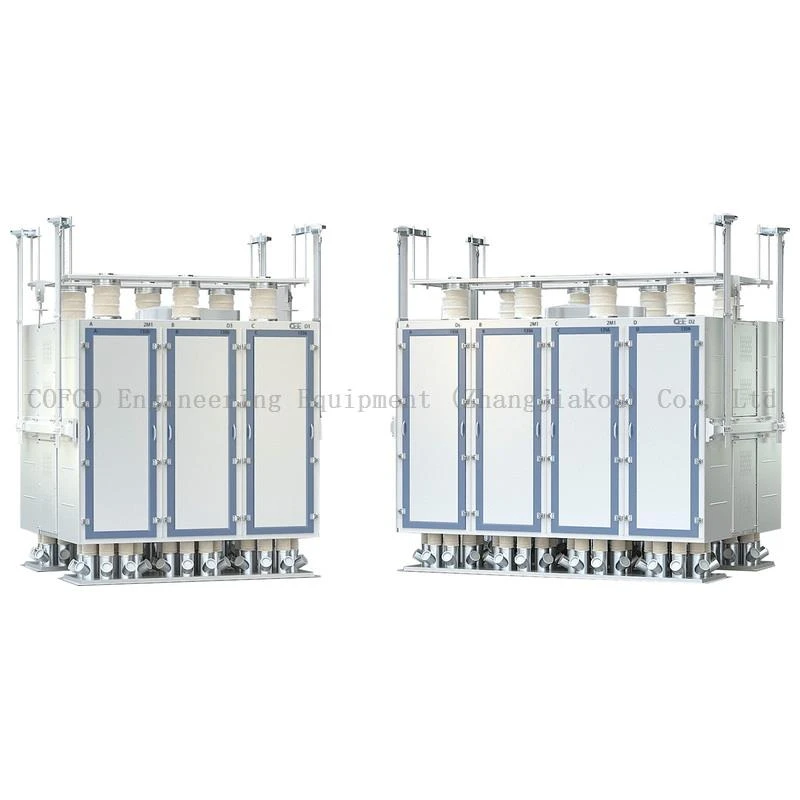
Let’s be real: water is precious, and no one wants to waste it. The good news is that with modern grain cleaning machines, you don’t have to choose between a clean crop and being water-efficient. You can have both.
Wheat Roller Mill References
- USDA Agricultural Resource Management Survey, 2022
- Grain Processing Equipment Association, Industry Efficiency Report, 2023
- Journal of Agricultural Engineering Research, Water Use Efficiency in Post-Harvest Grain Handling, 2021
- European Crop Protection Association, Sustainable Post-Harvest Practices, 2022
COFCO Engineering Equipment (Zhangjiakou) Co., Ltd.
As one of the most professional grain cleaning machines manufacturers and suppliers in China, we also support customized service. Please feel free to wholesale advanced grain cleaning machines for sale here from our factory. Quality products and reasonable price are available.
Address: No.4 ZhongLiang Street, high-tech industrial development zone, Zhangjiakou, Hebei, PRC
E-mail: mayihui@cofco.com
WebSite: https://www.ceeflourmill.com/
