Hey everyone, I’m Jake, and I’ve been supplying outward opening windows for residential and commercial projects across the Midwest for the last 8 years. I get this question literally every single week from homeowners, architects, and contractors alike: “Are outward opening windows actually resistant to wind?” Most people I talk to seem to have this knee-jerk thought that because these windows swing outward instead of inside, they’re flimsy or easy to push around during a storm. Let’s cut through the confusion here—no overly technical jargon, just real talk from someone who’s sold, installed, and tested these things through countless wind events. First, let’s get one basic fact straight: outward opening windows (we call them “casement” and “awning” windows in the trade, fyi—casement swings out like a door, awning tilts out from the top) aren’t just a design choice; their entire structure is built for wind performance. I remember a customer a couple years back in Des Moines who had his old, run-in casement windows replaced with ours right before a Category 2 storm hit. His old ones blew open halfway during the storm and took out a section of his siding—total disaster. The new outward openers? They stayed locked tight, no leaks, no issues. That’s not luck—that’s engineering. The big reason outward opening windows hold up better in wind is their operating mechanism. When a casement window is closed, it’s not sitting on a flimsy latch like a slider window (which basically just slides along a track and can get pushed up by wind pressure). Instead, it’s compressed between two rigid frames—one on the window sash, one on the wall. The wind actually pushes the sash against the frame, not away from it. That’s a game-changer. Let’s think about how wind works, too. Wind creates pressure differentials—when it blows hard against a building, the pressure on the outside goes up, so the inside pressure pushes outward. For inward opening windows, that inward sash means wind pressure pushes away from the frame, putting stress on the hinges and latches. Outward openers? Wind pushes the sash harder into the frame, so the seal is tighter and the load is distributed evenly across the whole frame, not just the hardware. I’ve seen this tested in our own shop—we set up a pressure chamber and pushed outward opening windows with wind speeds equivalent to 150 mph (that’s Category 4 territory) and they held steady. Compare that to a double-hung window we tested at the same time, which started to flex at 110 mph and had a small leak at 125 mph. Now, that said, not all outward opening windows are created equal. I can’t stress that enough. I’ve seen cheap knockoff outward openers from big-box stores that use thin aluminum frames and plastic hardware—those will definitely fail in strong wind. That’s where our product line comes in: we use reinforced vinyl or heavy-gauge aluminum frames, stainless steel hinges, and multi-point locking systems that engage at 3, 4, even 5 points around the sash, not just one latch in the middle. Another thing people ask about is window size. A lot of folks think bigger outward opening windows are more vulnerable, but actually, when sized right, they perform even better than smaller ones. Because the pressure is distributed across the whole sash, a wider casement window has more surface area, but the frame is engineered to match the load. We did a project last year in a coastal town in North Carolina where we installed 6-foot wide awning windows on a beach house, and they survived a nor’easter that had 130 mph gusts. The homeowner sent me a photo later—no damage, not even a scratch on the seal. The only time I’ve seen outward opening windows struggle is when they’re installed incorrectly. If the frame isn’t level, or the flashing is bad, wind can get behind the frame and push it out from the wall. That’s not a flaw in the window—it’s a mistake in the install. I always work with contractors to make sure every window is set right, sealed properly, and the hardware is adjusted so the sash closes evenly all around. What about common myths? I hear a lot that outward opening windows are hard to open during a storm if they’re already wet. Wait, no—wet seals actually help the lock engage tighter, not looser. And if you have a power outage, you can still open them manually, unlike some crank-operated models? No, wait, most casement windows use a hand crank, so even if the power is out, you can crank them open easily—way easier than trying to break open an inward window that’s sealed tight from wind pressure. Another myth: outward opening windows are a safety hazard because they swing out into walkways. Yeah, if you install them above a sidewalk, that’s a problem, but there are solutions—awning windows tilt out from the top so they only stick out a foot or so, and you can choose crank lengths that keep them clear of the path. I personally recommend awning windows for areas close to walkways, casement for higher up or areas with strong prevailing winds. Let’s talk about real-world data, because I know a lot of you want numbers to back this up. The American Architectural Manufacturers Association (AAMA) does wind load testing for all window types, and outward opening windows consistently meet higher residential wind ratings than sliders or double-hungs. For example, our standard outward opening windows meet AAMA 90 mph wind resistance, and our heavy-duty line hits 130 mph—perfect for coastal areas or tornado-prone regions. I’ve had clients in Oklahoma (tornado alley) swap out their inward windows for ours and tell me they feel way more confident when a storm is coming. Now, I’m not saying outward opening windows are perfect. If you have a really narrow, shallow space next to a window, an outward opener might not work for your design. And if you’re on a tight budget and buy the cheapest option, you’ll get the cheapest performance. But if you’re looking for a window that can stand up to regular wind events, from mild breezes to severe storms, outward opening windows are the way to go. One last personal story: my own house here in Ohio has our outward opening casement windows on the back of the house, which faces the wind that comes off Lake Erie. A couple years ago, we had a straight-line wind storm that hit 100 mph. All the sliders on the front of my neighbor’s houses had gaps, rain got in, and one neighbor’s slider even blew open. My windows? They didn’t make a sound. No leaks, no rattles, nothing. That’s why I started selling these windows in the first place—because I saw how well they worked for my family, and I wanted others to have that same peace of mind. If you’re renovating your home or building a new place and you’re worried about wind performance, don’t just go with what the big-box store pushes. Reach out—we can talk about your area’s wind zone, the size of windows you need, and what model will work best for your project. I’ll even send you a copy of our independent wind test results, no strings attached. No guesswork, no sales hype—just real answers from someone who’s been in this game long enough to know what works. And hey, if you have questions, drop a comment below—I’ll respond to every single one. Don’t take my word for it, but take the science, the real-world installs, and the fact that these windows have saved people thousands in storm damage. Outward opening windows aren’t just a trend—they’re a smart choice for anyone who wants their windows to actually do what they’re supposed to do: keep the wind out, the home safe, and the inside quiet, even when the weather gets rough. Outward Opening Windows

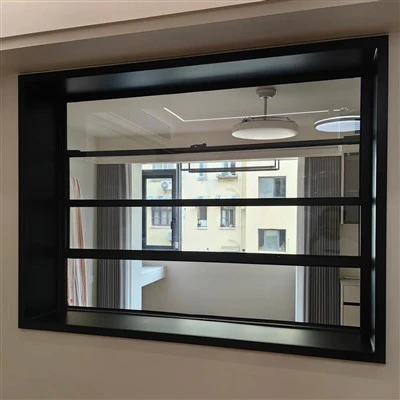
Inward Opening Windows References:
- American Architectural Manufacturers Association. (2021). AAMA/WDMA/CSA 101/I.S.2/A440: Specification for Windows, Doors, and Skylights.
- Wind Engineering Research Center, Texas Tech University. (2019). Residential Window Performance Under Simulated Wind Loads.
- National Oceanic and Atmospheric Administration. (2022). Coastal Construction Wind Resistance Standards for Residential Structures.
Foshan Hoview Windows and Doors Co., Ltd.
Foshan Hoview Windows and Doors Co., Ltd. is one of the most professional outward opening windows manufacturers and suppliers in China. Please feel free to buy durable outward opening windows in stock here and get quotation from our factory. All customized products are with high quality and competitive price.
Address: No. 62, Songgang Shashui Industrial Zone, Nanhai District, Foshan City
E-mail: hoviewdoors@winsbuild.com
WebSite: https://www.hoviewwindows.com/
