If you’ve ever grabbed a bag of chips that crumples into your pocket without a second thought, or hauled a bulk flexible bag filled with grain that flips open smoothly at a loading dock, you’ve probably wondered how the same soft, plastic-like material can do both—fold flat for storage and unfold reliably to hold whatever you need it to. As a flexible bags supplier, I get tons of questions about this every single week, and it’s way less complicated than it sounds, even if it feels like magic when you’re struggling to unfold a crumpled bag last minute. Let’s break this down like we’re chatting over coffee, no boring textbook jargon, just the straight facts that matter if you’re sourcing these bags for your business. Flexible Bags
First off, let’s start with why flexible bags are different from rigid containers like plastic bins or metal drums. Rigid stuff doesn’t bend because it’s meant to hold a shape, but flexible bags are built from materials that stretch and fold without breaking—think polypropylene (PP), low-density polyethylene (LDPE), or even recycled materials these days, not just thin shopping bag plastic. But the key to folding and unfolding lies in three tiny, often overlooked design choices, not just the material itself. Let’s talk about each one because they make all the difference between a bag that folds neatly in a closet and one that gets all twisted up when you need it.
The first big thing is material science 101, but make it relatable. I’ve seen way too many clients assume “thicker = better” for durability, but actually, the right thickness is a balance between flexibility and tensile strength (that’s the fancy word for how much a material can stretch before breaking). For example, LDPE is super soft, so it folds easily, but if you make it too thin, it’ll tear when you try to unfold it for the 10th time. On the flip side, woven polypropylene is sturdier, so it’s perfect for bulk bags holding construction materials or animal feed, but it still has enough give to fold flat for shipping. I remember a client last year who tried to save 2 cents per bag by going with ultra-thin LDPE for their retail produce bags—they kept complaining about bags tearing at the checkout line. We adjusted the thickness just a little, added a tiny bit of linear low-density polyethylene (LLDPE) for extra stretch, and suddenly they were folding flat for shelf storage and holding up for customers when they filled their bags. It’s all about that sweet spot: flexible enough to fold without creasing permanently, strong enough to unfold without snapping.
Next up, the structure of the bag’s seams and panels. This is where a lot of amateurs go wrong—if you sew or weld the seams wrong, a bag won’t fold evenly, or it’ll pop open at the worst time. Most flexible bags use either gusseted panels or flat panels, and each is built for a specific folding style. Gusseted bags are the ones with the extra fold on the sides or bottom, right? Those are the ones that can expand to hold more product. When you fold a gusseted bag, you just flatten the side gussets inward, so it lays flat without bulky lumps. Flat panels, on the other hand, are super simple—they fold right down the middle, like a letter. But here’s a pro tip: the seam strength matters more than the seam type. We use ultrasonic welding for most of our bags now, instead of gluing or sewing, because it creates a bond that’s as strong as the material itself. I had a client who used sewn seams for their laundry detergent bags—after a few folds and unfolds, the thread would stretch out, the seam would gap, and the bag would leak detergent. Switched to welded seams, and they haven’t had a single leak complaint in 18 months. Welding also eliminates extra bulk at the seams, which means less creasing when you fold the bag flat. No more weird bump in the middle of a stack of bags in your warehouse—they lay perfectly neat, which saves you storage space, too.
Third, and this is the thing most people never think about: the stress relief in the material during the manufacturing process. When a bag is being made, the plastic resin is melted and blown into a film, or woven into threads, and then cut and shaped. If you don’t “relax” that material after it’s formed, it will have built-in tension—kinda like a stretched rubber band that wants to snap back. That tension makes folding a bag a nightmare because it will always try to twist or crumple back into its stretched shape. At our factory, we have a step where every finished bag is placed on a rack for 24 hours before it’s boxed up. We call it “resting,” and it’s why our customers say their bags unfold smoothly every single time, no matter how long they’ve been stored. I had a client from a logistics company who tried to skip the resting step to cut costs—they ordered 50,000 bags, and half of them came all twisted when they opened the box. They had to spend extra hours manually unfolding each one, which cost them way more than the money they saved by skipping that step. Lesson learned: you can’t rush a flexible bag’s downtime.
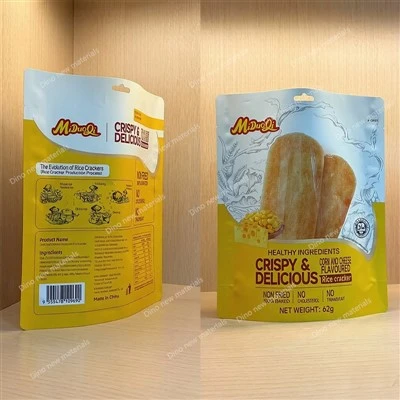
Now, let’s talk about different types of bags and how they handle folding vs. unfolding, because this changes a lot depending on what the bag is for. If you’re looking at retail flexible bags—think bread bags, snack bags, or clothing poly bags—these are usually made of thin, flexible LDPE. They fold super easily, often into a small square or rectangle, and when you unfold them, they just snap right into shape because the material is low-tension. The only downside? They’re not great for repeated unfolding, so you’d only use these for single-use applications. For bulk bags, like the ones used for shipping sand, fertilizers, or big batches of candy, these are woven PP bags with heavy-duty seams. They fold flat to save space on pallets, and when you unfold them at the jobsite, the gussets pop open evenly because the woven structure is rigid enough to hold its shape once expanded. I recently supplied a set of bulk bags to a landscaping company that stores 10,000 bags a year in their warehouse—they told me these fold so neatly that they fit 30% more pallets of bags than their old supplier’s, which saved them thousands in storage costs. Then there’s stand-up pouches, the ones with the spouts or resealable tops for things like coffee or pet food. These are a mix of LDPE and a thin layer of plastic that blocks light and moisture, so they’re a little sturdier than regular retail bags. Folding a stand-up pouch? You have to press down the sides and the bottom, which are gusseted, and because the material is balanced, it doesn’t crease permanently—you can fold and unfold it dozens of times for product displays or storage.
Wait, let’s address a common pain point everyone has: creases. Ever unfolded a bag and there’s a deep crease that won’t smooth out? That’s usually from either wrong material thickness, tension in the bag, or folding it too tightly for too long. For example, if you fold a thick woven PP bag into a really tight roll and leave it that way for months, the crease might become permanent because the material’s memory sticks to that shape. Our team fixes this by adding a “release agent” (super subtle, not the kind that leaves marks) to the material during production, so even after long storage, the crease pops out when you unfold the bag. We also teach clients to fold their bags loosely, not tight, which prevents permanent creases. That’s a small detail but makes a huge difference if you’re stacking bags for displays or reusing them (though we don’t recommend reusing single-use retail bags—they’re not built for that, but bulk bags can be reused with proper care).
Another thing: environmental impact. More and more clients are asking about recycled flexible bags these days, and we’ve worked out a way to make recycled LDPE bags that handle folding and unfolding just as well as virgin plastic. The key here is using recycled resin that’s been properly cleaned and processed—if the recycled material has bits of dirt or other plastics mixed in, it’s inconsistent, so the bag will fold unevenly. We source only food-grade recycled resin for our retail and food packaging bags, so they’re not just eco-friendly, they work just as well as non-recycled options. I was skeptical at first, but we did a test with a client who wanted to go green, and after a few rounds, we had a recycled bag that folded flat, unfolded smoothly, and even stood up to being filled with hot food, which was their main use case. That’s why I’m big on sustainable options now—flexible packaging doesn’t have to be bad for the planet, and it can still do everything you need it to do.
Now, why does this matter to you as a business owner? Let’s say you’re running a grocery store: if your produce bags unfold easily, checkout lines move faster because cashiers don’t have to struggle to open a crumpled bag. If your bulk grain bags fold neatly, you save on shipping and storage costs because you can fit more pallets on a truck or in a warehouse. If your stand-up pouches unfold without creases, they look better on store shelves, which helps sell your product. I’ve had clients come to me frustrated because their old supplier’s bags were a headache to use—they were either too hard to unfold, tore easily, or took up too much space. That’s why we focus on these small details when making our bags, not just the material cost.
At the end of the day, flexible bags aren’t just a piece of plastic or fabric—they’re a engineered product that balances flexibility, strength, and ease of use. The next time you’re sourcing flexible bags for your business, don’t just look for the cheapest price. Ask about the material thickness, the seam type, and if the bags go through a stress-relief step after manufacturing. That’s the stuff that makes a good bag vs. a great bag, the kind that makes your team’s job easier and your customers happier.
If you’re looking to upgrade your flexible bags for better folding, easier unfolding, and lower storage and shipping costs, we can work with you to create a custom solution that fits your needs. Whether you need retail bags, bulk bags, stand-up pouches, or something totally unique, get in touch with our team to discuss your project. We’re here to answer all your questions, no sales pitch, just straight talk about what works best for your business.
Composite Film References
- Hansen, J. O. (2019). Flexible Packaging Materials: Properties and Performance. John Wiley & Sons.
- Selke, S. E. M. (2020). Plastics Packaging: Properties, Processing, and Performance (4th ed.). Carl Hanser Verlag.
- American Society for Testing and Materials (ASTM). (2021). Standard Test Methods for Tensile Properties of Plastics. ASTM International.
- European Flexible Packaging Association (EFPA). (2022). Sustainable Flexible Packaging: Design and Manufacturing Guidelines. EFPA.
Jiangsu Dino New Materials Technology Co., Ltd.
With abundant experience, we are one of the most professional flexible bags manufacturers and suppliers in China. We warmly welcome you to wholesale customized flexible bags made in China here from our factory. If you have any enquiry about free sample, please feel free to email us.
Address: South of Hangzhou Road and east of Hengshan North Road, Sihong Economic Development Zone, Sihong County, Suqian City, Jiangsu Province, China
E-mail: 19551836609@139.com
WebSite: https://www.jsdinuo.com/
