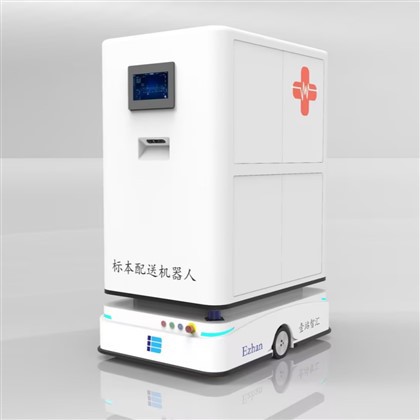
In the modern healthcare landscape, the integration of technology has become a game – changer, and healthcare service robots are at the forefront of this transformation. As a supplier of healthcare service robots, I’ve witnessed firsthand the incredible potential these machines hold in revolutionizing patient care. One of the critical areas where our robots shine is in handling patient allergies, a task that requires precision, attention to detail, and quick response. Healthcare Service Robots
Understanding Patient Allergies
Before delving into how our healthcare service robots handle patient allergies, it’s essential to understand the nature of allergies themselves. Allergies occur when the immune system overreacts to a foreign substance, known as an allergen. Common allergens include certain foods, medications, pollen, and insect stings. When a patient with an allergy comes into contact with an allergen, it can trigger a range of symptoms, from mild itching and sneezing to life – threatening anaphylaxis.
In a healthcare setting, managing patient allergies is of utmost importance to ensure patient safety. A single mistake, such as administering a medication to which a patient is allergic, can have severe consequences. That’s where our healthcare service robots come in.
Data Management and Allergy Tracking
Our healthcare service robots are equipped with advanced data management systems that can store and retrieve patient allergy information with ease. When a patient is admitted to a healthcare facility, their allergy details are entered into the robot’s database. This information includes the type of allergen, the severity of the reaction, and any previous treatment administered.
The robots use this data to cross – reference every medical decision, from prescribing medications to providing food. For example, if a doctor orders a particular medication for a patient, the robot will immediately check its database to see if the patient is allergic to it. If an allergy is detected, the robot will alert the medical staff, preventing a potential allergic reaction.
This data – driven approach not only enhances patient safety but also streamlines the healthcare process. Medical staff no longer have to spend time manually checking patient allergy records, as the robot does it automatically. This allows them to focus on providing high – quality care to their patients.
Medication Administration and Allergy Prevention
Medication administration is a high – risk area when it comes to patient allergies. Inaccurate dosing or the wrong medication can lead to serious allergic reactions. Our healthcare service robots are designed to minimize these risks.
The robots are programmed to handle medications with extreme care. They can identify different medications based on their appearance, barcode, or RFID tags. Before administering a medication, the robot will verify the patient’s identity and cross – check the medication against the patient’s allergy profile.
For example, if a patient is allergic to penicillin, the robot will not dispense any penicillin – based medications. Instead, it will prompt the medical staff to choose an alternative medication. This real – time verification process significantly reduces the chances of a medication – related allergic reaction.
In addition to preventing allergic reactions, our robots can also help in managing them. They are equipped with emergency medication kits that contain essential drugs for treating allergic reactions, such as epinephrine. In case of an allergic emergency, the robot can quickly retrieve and dispense the appropriate medication, saving valuable time.
Food and Environmental Allergen Management
Allergies are not limited to medications; food and environmental allergens can also pose a significant risk to patients. Our healthcare service robots are designed to address these concerns as well.
When it comes to food allergies, the robots play a crucial role in the dietary management of patients. They can analyze the ingredients of the meals prepared for patients and cross – check them against the patient’s allergy list. If a food item contains an allergen, the robot will alert the kitchen staff, who can then modify the meal or provide an alternative.
In terms of environmental allergens, the robots can monitor the air quality in patient rooms. They are equipped with sensors that can detect the presence of common allergens such as pollen and dust mites. If an allergen is detected above a certain threshold, the robot can activate air purifiers or other allergy – reducing measures to create a safer environment for the patient.
Training and Adaptability
Our healthcare service robots are not just machines; they are intelligent systems that can learn and adapt. We provide comprehensive training to the robots so that they can handle a wide range of allergy situations.
The training process involves exposing the robots to different types of allergy scenarios, including rare and complex cases. Through machine learning algorithms, the robots can analyze the data from these scenarios and improve their response over time.
For example, if a robot encounters a new and unusual allergy situation, it can share the data with the central database. Other robots can then access this data and learn from it, enhancing their ability to handle similar situations in the future.
Communication and Collaboration
In a healthcare setting, communication is key. Our healthcare service robots are designed to communicate effectively with medical staff and patients. They can provide detailed reports on patient allergy status, including any recent changes or potential risks.
The robots can also collaborate with other healthcare technologies, such as electronic health record systems. This integration allows for seamless sharing of data, ensuring that all parties involved in a patient’s care have access to the most up – to – date allergy information.
The Impact on Healthcare
The use of healthcare service robots in handling patient allergies has a profound impact on the healthcare industry. It improves patient safety, reduces the risk of medical errors, and enhances the overall quality of care.
By automating the allergy management process, healthcare facilities can save time and resources. Medical staff can focus on providing more personalized care to their patients, rather than spending hours on administrative tasks related to allergy management.
In addition, the use of robots can also improve patient satisfaction. Patients feel more secure knowing that their allergies are being carefully monitored and managed by advanced technology.
Future Developments
As a supplier of healthcare service robots, we are constantly investing in research and development to improve our products. In the future, we aim to enhance the robots’ capabilities in handling patient allergies even further.
We are exploring the use of artificial intelligence and machine learning to develop more accurate allergy prediction models. These models can analyze a patient’s medical history, genetic data, and environmental factors to predict the likelihood of an allergic reaction.
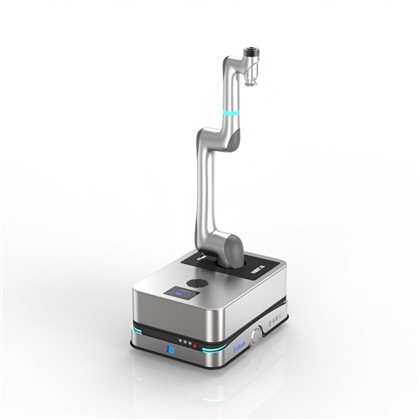
We are also looking into the integration of more advanced sensors and imaging technologies. These technologies can help the robots detect allergens at an even earlier stage, allowing for more proactive allergy management.
Contact for Purchasing
AGV If you are interested in learning more about how our healthcare service robots can transform your healthcare facility’s approach to handling patient allergies, we encourage you to get in touch with us. Our team of experts is ready to discuss your specific needs and provide you with a customized solution.
References
- American Academy of Allergy, Asthma & Immunology. (2023). Types of Allergies.
- World Health Organization. (2023). Allergy Overview.
- National Institute of Allergy and Infectious Diseases. (2023). The Immune System and Allergic Diseases.
Shenzhen Ezhan Technology Co., Ltd.
We’re known as one of the most reliable healthcare service robots manufacturers and suppliers in China. With abundant experience, we warmly welcome you to buy bulk customized healthcare service robots from our factory. If you have any enquiry about cooperation, please feel free to email us.
Address: Room 1808, 1809, 1810, Building 2, Aipark, Baolong 4th Road, Longgang District, Shenzhen City
E-mail: sales01@ezhankeji.com
WebSite: https://www.ezhanrobot.com/
