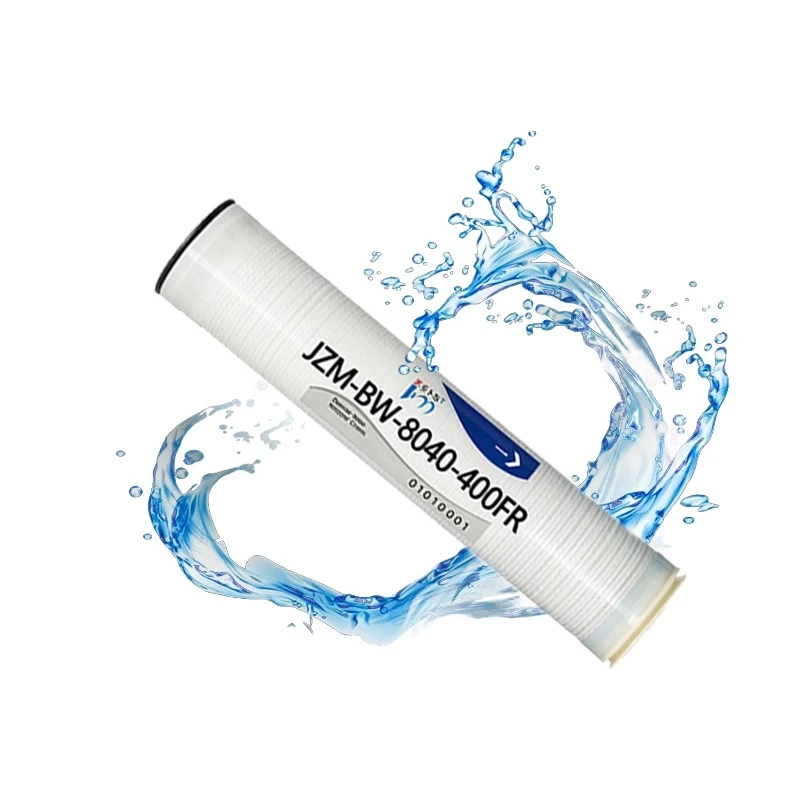
Hollow-fiber membrane modules are a cornerstone in various separation and purification processes across multiple industries. As a dedicated membrane modules supplier, I have witnessed firsthand the transformative power of these remarkable devices. In this blog, I’ll delve into the distinguishing characteristics of hollow-fiber membrane modules that make them the go-to choice for countless applications. Membrane Modules
High Surface Area-to-Volume Ratio
One of the most significant advantages of hollow-fiber membrane modules is their incredibly high surface area-to-volume ratio. The hollow fibers are extremely thin, typically with an outer diameter ranging from a few hundred micrometers to a few millimeters. Thousands or even millions of these fibers are packed closely together within a module, creating a vast surface area that is available for mass transfer.
This high surface area allows for efficient separation and filtration processes. For example, in water treatment applications, a large surface area means more contaminants can come into contact with the membrane at once, increasing the overall filtration capacity. In gas separation, a high surface area enables more rapid gas diffusion through the membrane, enhancing the separation efficiency.
Self-Supporting Structure
Another key characteristic is the self-supporting structure of the hollow fibers. Unlike some other membrane configurations that may require additional support structures, the hollow fibers can stand on their own. This self-supporting feature simplifies the module design and construction, reducing both material and manufacturing costs.
The self-supporting nature also makes the modules more robust and resistant to mechanical stress. They can withstand higher pressures during operation, allowing for more efficient and reliable separation processes. In large-scale industrial applications, where high-pressure conditions are common, the ability of the hollow-fiber membrane modules to maintain their integrity under stress is a significant advantage.
Flexibility in Configuration
Hollow-fiber membrane modules offer a high degree of flexibility in configuration. They can be designed in various shapes and sizes to meet the specific requirements of different applications. For instance, they can be configured as shell-and-tube modules, where the hollow fibers are housed within a cylindrical shell, or as plate-and-frame modules for more compact installations.
This flexibility allows for customization based on factors such as flow rate, pressure, and the type of separation process. In addition, the modules can be easily integrated into existing systems, whether it’s a water treatment plant, a pharmaceutical manufacturing facility, or a food and beverage production line. This adaptability makes hollow-fiber membrane modules a versatile solution for a wide range of industries.
Selective Permeability
The membranes used in hollow-fiber modules are designed to have selective permeability. This means that they allow certain substances to pass through while blocking others. The selectivity is based on factors such as the size, shape, and chemical properties of the molecules.
In water treatment, for example, the membrane can be designed to allow water molecules to pass through while blocking larger particles such as bacteria, viruses, and suspended solids. In gas separation, the membrane can selectively permeate certain gases based on their molecular size and solubility in the membrane material. This selective permeability is crucial for achieving the desired separation and purification results.
Ease of Cleaning and Maintenance
Hollow-fiber membrane modules are relatively easy to clean and maintain. The hollow fibers can be backwashed, which involves reversing the flow of the fluid through the membrane to remove any accumulated contaminants. This simple cleaning procedure can significantly extend the lifespan of the modules and maintain their performance over time.
In addition, the modular design of the membrane modules makes it easy to replace individual fibers or entire modules if necessary. This reduces downtime and maintenance costs, making the overall system more cost-effective in the long run.
Resistance to Fouling
Fouling is a common problem in membrane separation processes, where contaminants accumulate on the membrane surface and reduce its performance. Hollow-fiber membrane modules are designed to be resistant to fouling. The small diameter of the hollow fibers and the high turbulence created by the fluid flow through them help to minimize the deposition of contaminants on the membrane surface.
Furthermore, the choice of membrane material can also play a role in fouling resistance. Some materials are inherently more resistant to fouling than others, and advanced surface modifications can be applied to the membranes to further enhance their anti-fouling properties. By reducing fouling, the hollow-fiber membrane modules can operate more efficiently and require less frequent cleaning and maintenance.
Energy Efficiency
Hollow-fiber membrane modules are generally energy-efficient compared to other separation technologies. The pressure required to drive the separation process through the membrane is relatively low, which reduces the energy consumption of the system. In addition, the high surface area-to-volume ratio of the modules allows for more efficient mass transfer, further enhancing the energy efficiency.
In large-scale industrial applications, where energy costs can be a significant portion of the operating expenses, the energy efficiency of the hollow-fiber membrane modules can result in substantial savings. This makes them an attractive option for industries looking to reduce their environmental impact and improve their bottom line.
Compatibility with Various Fluids
Another important characteristic is the compatibility of hollow-fiber membrane modules with various fluids. The membrane materials can be selected based on the specific properties of the fluid being processed, such as pH, temperature, and chemical composition.
For example, in the pharmaceutical industry, where the fluids often contain sensitive biological molecules, the membrane modules can be made from materials that are biocompatible and do not interact with the molecules. In the chemical industry, the modules can be designed to withstand harsh chemicals and high temperatures. This compatibility ensures that the hollow-fiber membrane modules can be used in a wide range of applications without compromising the quality of the product or the performance of the system.
Reinforced Membrane Structure
Some hollow-fiber membrane modules feature a reinforced membrane structure. This reinforcement can improve the mechanical strength and durability of the membranes, especially in applications where the modules are exposed to high pressures or abrasive fluids.
The reinforcement can be in the form of a braided or woven support structure within the hollow fibers. This adds an extra layer of protection to the membrane and helps to prevent damage and leakage. The reinforced membrane structure also allows for more efficient operation under demanding conditions, making the modules suitable for challenging applications.
Conclusion
In conclusion, hollow-fiber membrane modules possess a wide range of characteristics that make them an ideal choice for various separation and purification processes. Their high surface area-to-volume ratio, self-supporting structure, flexibility in configuration, selective permeability, ease of cleaning and maintenance, resistance to fouling, energy efficiency, compatibility with various fluids, and reinforced membrane structure all contribute to their superior performance and reliability.

As a membrane modules supplier, I am committed to providing high-quality hollow-fiber membrane modules that meet the specific needs of our customers. Whether you’re in the water treatment, pharmaceutical, food and beverage, or any other industry, our modules can offer you an efficient and cost-effective solution for your separation and purification requirements.
EDI Modules If you’re interested in learning more about our hollow-fiber membrane modules or would like to discuss a potential procurement, I encourage you to reach out. Our team of experts is ready to assist you in finding the right solution for your application.
References
- Cheryan, M. (1998). Ultrafiltration and Microfiltration Handbook. Technomic Publishing.
- Mulder, M. (1996). Basic Principles of Membrane Technology. Kluwer Academic Publishers.
- Ho, W. S. W., & Sirkar, K. K. (Eds.). (1992). Membrane Handbook. Van Nostrand Reinhold.
Shandong Jinzhimo Environmental Protection Technology Co., Ltd.
As one of the most professional membrane modules manufacturers and suppliers in China, we also support customized service. Please feel free to wholesale advanced membrane modules in stock here from our factory. For pricelist, contact us now.
Address: Room 101, Building 9, Shangri-La, Jinlong Road, Zhaoyuan City, Yantai City, Shandong Province
E-mail: zhanglina0778@126.com
WebSite: https://www.sdjzmhb.com/
